
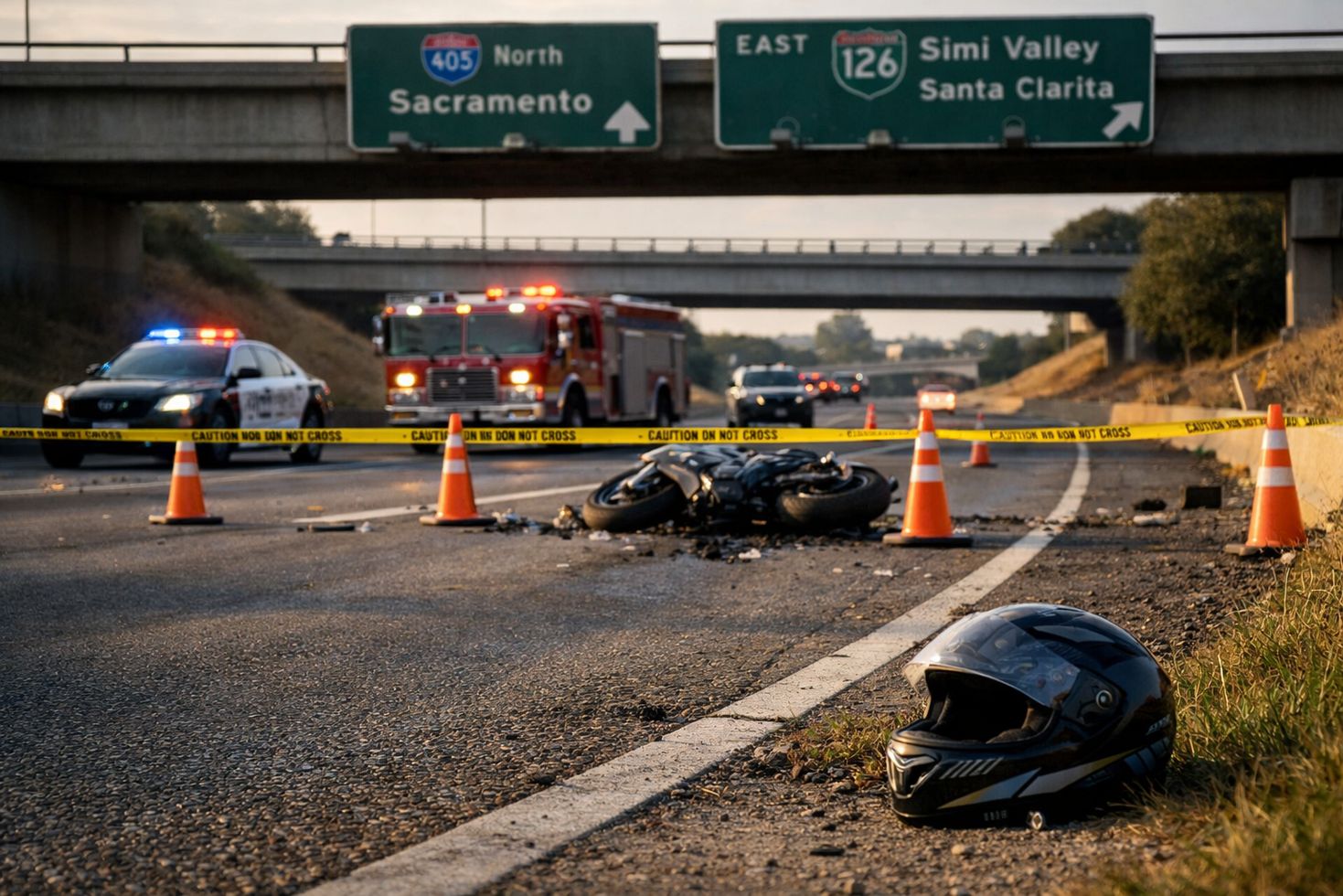
After a crash, many riders ask when a motorcycle accident lawyer may be worth contacting. The short answer is that not every accident creates the same legal issues, but legal help often becomes more important when injuries are serious, fault is disputed, insurance companies push for quick statements or settlements, or the evidence is unclear.
If you are dealing with pain, missed work, bike damage, and constant calls from insurers, it is normal to feel overwhelmed. This article is designed to give practical legal guidance, not pressure. It explains common signs that legal support may be useful and helps you understand what to watch for in the days and weeks after a motorcycle crash.
You will also find a simple overview of timing, what the legal process may involve, and answers to common questions. Early guidance can sometimes help preserve evidence, protect important communications, and clarify your next steps while the facts are still being sorted out.
A practical overview for injured riders
Timing can matter after a motorcycle accident. Even if you are unsure whether you need representation, getting clear information early may help you avoid mistakes, keep records organized, and better understand your options as your recovery and claim develop.
What a Motorcycle Accident Lawyer Does
A motorcycle accident lawyer helps manage the legal side of a crash claim so the injured rider is not left handling insurers, paperwork, and evidence alone. In plain language, the lawyer’s job is to investigate what happened, gather records, calculate losses, and protect the client’s rights throughout the process. That is different from general insurance handling, which often focuses on processing and resolving claims rather than building the strongest case for the injured person.
Day to day, legal counsel may collect medical records, review police reports, preserve photos or video, speak with witnesses, and communicate with insurance adjusters. A lawyer may also work with outside experts when needed, identify every potentially responsible party, and evaluate damages such as medical bills, lost income, pain, and future care needs. In some situations, people also compare their options with car accident lawyer legal support options to better understand how traffic injury claims are handled.
Core tasks in a motorcycle injury claim
- Collecting evidence and preserving important records
- Handling communication with insurers
- Reviewing damages and documenting losses
- Tracking deadlines and claim requirements
- Preparing for negotiation or, if necessary, litigation
Why motorcycle cases can be more complex
Motorcycle claims can involve added challenges, including visibility disputes, unfair assumptions about riders, serious injuries, and questions about road design or hazards. A motorcycle accident lawyer works to sort through those issues carefully and present the facts clearly, with the goal of strengthening the claim and helping the client make informed decisions.
Signs You Should Hire a Motorcycle Accident Lawyer
If you are wondering when to hire a motorcycle accident lawyer, a good rule is to look at how complicated the crash and recovery have become. Legal help may be especially important when injuries are serious, fault is disputed, insurance communication becomes difficult, or key evidence could disappear quickly. In many of these situations, early review can help you understand your options and protect important records.
Serious injuries or ongoing medical treatment
You should strongly consider a lawyer after a motorcycle crash if you have broken bones, head trauma, spinal injuries, surgery, rehabilitation, or a long recovery period. Claims involving ongoing treatment often require clear medical documentation and a careful review of how the injury affects work, mobility, and future care needs. The more extensive the treatment, the more important it is to keep the claim organized and complete.
Disputed fault or difficult insurance communications
Another clear sign is when the other driver, witnesses, or the insurer gives conflicting versions of what happened. If you are being blamed unfairly, asked for repeated statements, facing delays, or receiving a low offer before your condition is fully understood, legal support may help. This is also true when the at-fault driver is uninsured or underinsured. For broader motor vehicle accident legal claim help, it can be useful to compare how similar insurance issues are handled.
Multiple parties or an unclear cause of the crash
A lawyer may also be important when several vehicles were involved or when the cause is not obvious. Crashes involving commercial vehicles, road defects, poor maintenance, defective motorcycle parts, or unclear witness statements can raise questions about who is responsible. In these cases, liability may be shared among more than one party. Early legal review can help preserve photos, video, vehicle data, and witness information before it is lost.

How the Motorcycle Accident Claim Process Usually Works
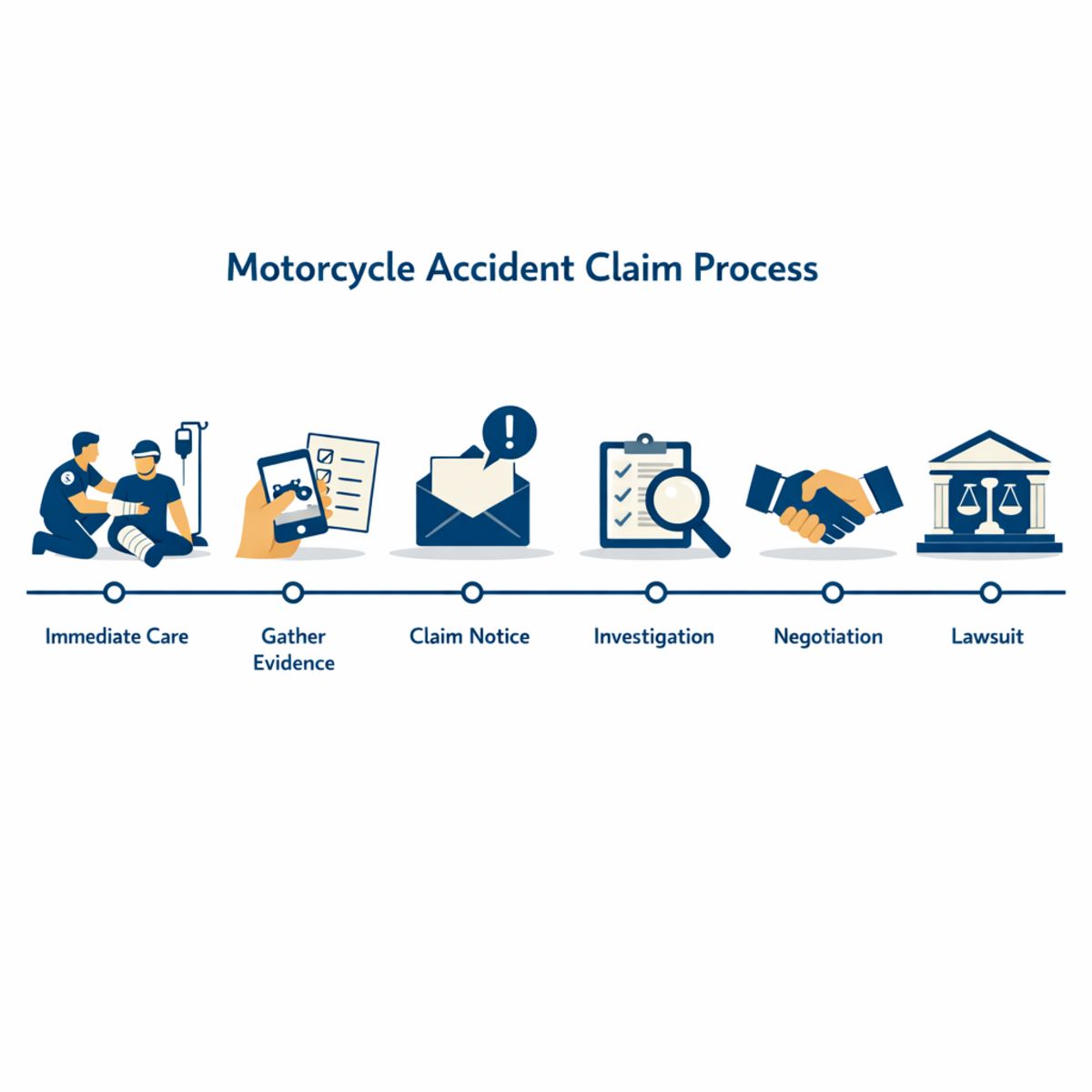
After a crash, many people want to know what happens next. A motorcycle accident claim usually follows a series of steps, but the timing can vary based on the severity of injuries, how quickly records become available, and whether fault is disputed. In general, the process moves from immediate care and evidence preservation to claim filing, investigation, negotiation, and, in some cases, litigation.
Step 1: Prioritize medical care and documentation
The first priority is health and safety. Prompt medical evaluation helps protect your well-being and creates early records of injury. It is also helpful to keep documentation from the start, including treatment notes, bills, photos of injuries and vehicle damage, witness contact information, and any communication related to the crash. Follow-up care matters too, because gaps in treatment can make the overall picture harder to understand later. Just as important, avoid guessing about fault before the facts are fully reviewed.
Step 2: Open the claim and investigate liability
Once the claim is reported, the insurance company typically begins reviewing what happened. This may include collecting police reports, photographs, medical records, repair estimates, witness statements, and other evidence. In more complex cases, there may be additional scene analysis or requests for more documentation. A lawyer can often add value here by organizing evidence, handling communications, and helping ensure important records are preserved and presented clearly.
Step 3: Negotiate or prepare for litigation if needed
Many claims are resolved through negotiation after the injuries, expenses, and liability issues are better understood. If there is disagreement about fault, damages, or coverage, the case may take longer and could require filing a lawsuit before applicable deadlines expire. That does not mean every claim goes to court. It means there may be another step if settlement efforts do not resolve the dispute. Throughout the process, keeping organized records and getting guidance early can reduce uncertainty and help you make informed decisions.
How Motorcycle Accident Cases Differ From Car Accident Claims
Motorcycle accident claims and car accident cases can follow similar legal steps, but they are not always handled the same way. Both may involve insurance investigations, medical records, witness statements, and fault analysis. Still, motorcycle crashes often raise added issues that demand closer review. In many situations, riders suffer more serious injuries because they have less physical protection than people in passenger vehicles.
Another difference is how liability is argued. Motorcycle cases more often involve disputes about visibility, lane position, speed, or whether a driver “did not see” the rider. Insurers may also focus on helmets, jackets, or other protective gear, even when those details do not change who caused the crash. Bias against riders can affect how adjusters and defense teams frame the facts, which makes documentation especially important.
Injury patterns and liability disputes
Compared with many standard auto accident claims, motorcycle cases may involve more extensive treatment, longer recovery periods, and more disagreement over how the collision happened. A detailed review of scene evidence, vehicle damage, and medical findings can be critical when fault is contested.
Insurance handling and case strategy
The overall strategy can overlap with broader auto injury matters, but motorcycle claims often require a stronger response to assumptions about rider behavior. For readers comparing options, car accident claim guidance and support can help explain the shared process while showing where motorcycle cases need case-specific attention.
Common Mistakes to Avoid After a Motorcycle Accident
After a crash, small decisions can affect both recovery and any insurance claim. A few common mistakes can create unnecessary problems, especially when records are incomplete or statements are made too quickly.
Documentation and communication errors
- Delaying medical care: Waiting too long can make it harder to connect injuries to the accident and may leave important treatment records missing.
- Giving a recorded statement without preparation: Early comments can be incomplete or unclear, which may complicate later discussions with insurers.
- Posting on social media: Photos or updates may be taken out of context and used to question the seriousness of injuries or limitations.
- Repairing the motorcycle too soon: Fixing damage before it is fully documented can reduce useful evidence about how the collision happened.
- Losing receipts and records: Missing bills, prescriptions, and mileage logs can make it harder to show the full impact of the crash. If you need more motorcycle accident claim legal guidance, organized documentation is often a strong starting point.
Frequently Asked Questions
How soon should I contact a motorcycle accident lawyer after a crash?
It is often helpful to speak with a lawyer as soon as possible. Early guidance can help preserve evidence, protect your statements, and reduce mistakes when injuries or fault are still unclear.
What if the insurance company says I was partly at fault?
Disputed fault is common after a crash. A lawyer can review reports, photos, witness accounts, and communications to assess how fault arguments may affect a claim.
Can a lawyer help if my injuries seemed minor at first?
Yes. Some injuries become more noticeable over time, and delayed symptoms can still matter when evaluating medical treatment, documentation, and claim value.
Do motorcycle accident lawyers usually offer consultations?
Many do offer initial consultations, but policies vary by firm. A consultation is generally used to discuss the crash, possible injuries, insurance issues, and whether the case should be investigated further.
When It Makes Sense to Contact the Team
If you are dealing with injuries, disputed fault, or pressure from an insurance company after a motorcycle crash, it may help to speak with the team for case-specific guidance. They can help you better understand liability, insurance communications, and possible next steps in a professional, supportive way.
Key Takeaways on Hiring a Motorcycle Accident Lawyer
Legal help is often most useful when injuries are serious, fault is disputed, or insurance issues start complicating the claim. Acting before evidence fades can make the process clearer and easier to manage.