
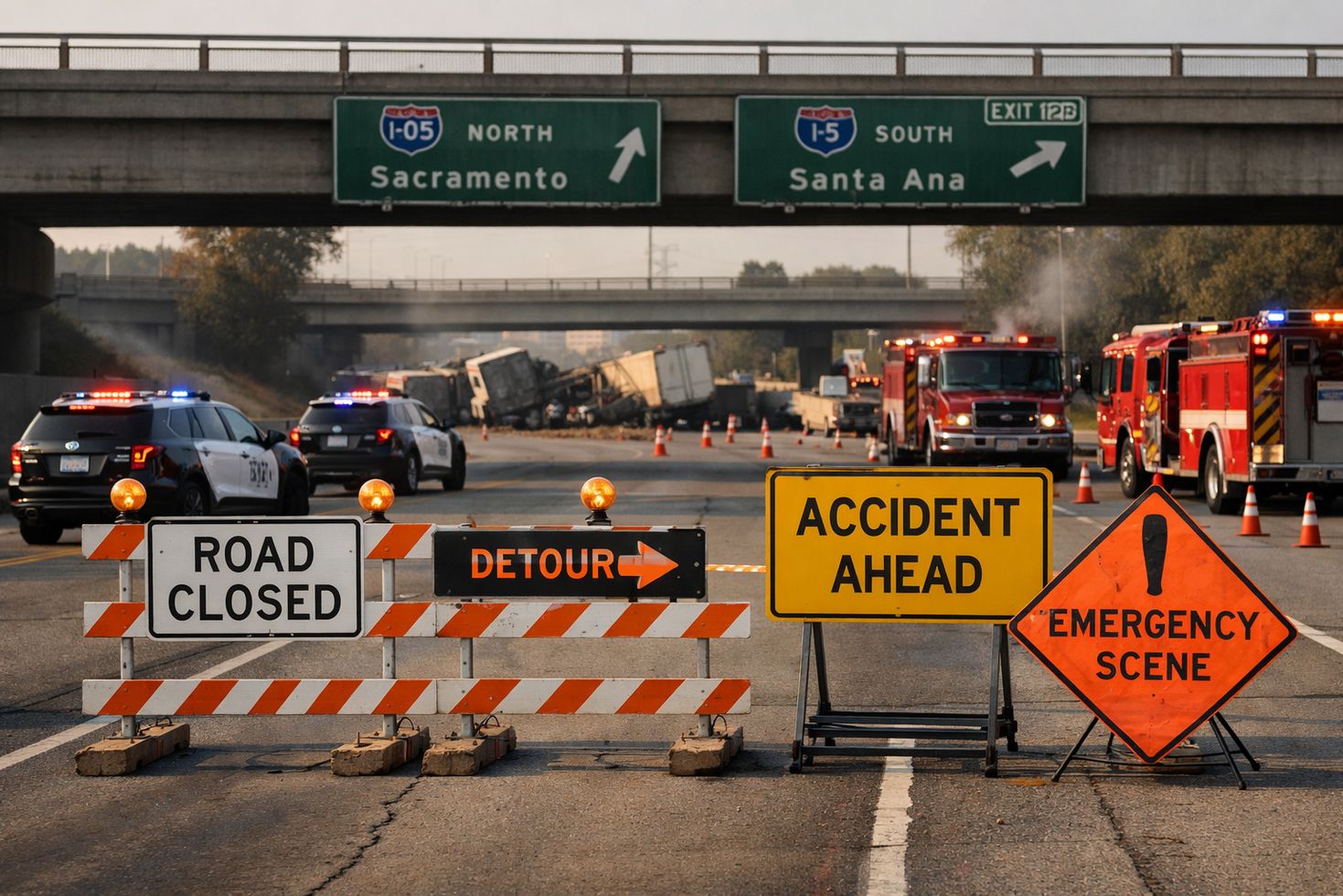
A truck accident lawyer may be helpful when a crash involves a commercial vehicle, serious injuries, or questions about who is responsible. Unlike many standard car crashes, truck accident claims can involve multiple parties, including the driver, trucking company, maintenance providers, cargo loaders, or other insurers. These cases also tend to involve more severe damage, more records to review, and more rules that may affect what happens next.
In many situations, important evidence goes beyond photos and a police report. Driver logs, inspection and maintenance records, hiring and training materials, onboard data, and company safety policies may all matter. Because that information is not always easy to obtain or preserve, early review can be important for understanding the facts and protecting your claim.
This article explains why commercial truck cases often deserve closer attention, when focused legal guidance may be useful, and the practical steps injured drivers and families can consider after a collision.
What a Truck Accident Lawyer Does
A truck accident lawyer helps injured people investigate a commercial truck crash, identify who may be legally responsible, and pursue compensation for their losses. In plain English, that means the lawyer gathers facts, protects important evidence, deals with insurance companies, and works to place a fair value on medical bills, lost income, pain and suffering, and other damages.
A truck accident law firm will often review police reports, driver logs, black box data, maintenance records, cargo information, witness statements, and company safety history. This work can help show whether the truck driver, trucking company, maintenance provider, cargo loader, vehicle manufacturer, or another party contributed to the crash. Because these cases can involve multiple businesses and insurance policies, early investigation is often important.
The lawyer also handles communication and negotiation with insurers so the injured person is not left managing the claim alone. If a fair settlement is not offered, counsel may prepare the case for litigation. Many attorneys who handle truck cases also represent clients in broader roadway injury matters, including car accident lawyer services for crash claims, because the core issues of fault, damages, and insurance overlap across serious vehicle collisions.
Core responsibilities in a truck crash case
- Investigate how the crash happened and who may be at fault
- Preserve evidence before records, video, or vehicle data are lost
- Communicate with insurance adjusters and defense representatives
- Calculate damages, including current and future losses
- Negotiate settlement terms and prepare for court if needed
Who may be involved beyond the truck driver
Liability in a truck crash is not always limited to one driver. Depending on the facts, a claim may involve the motor carrier, a trailer owner, a cargo loading company, a maintenance vendor, a parts manufacturer, or multiple insurers. That is one reason truck accident representation is often connected to the wider field of motor vehicle injury law: the legal process may require looking at several parties, several policies, and several possible causes before a claim can be fully valued and pursued.
How Truck Accident Cases Differ From Typical Car Accident Claims
Truck accident claims are often more complex than standard car accident cases because the facts, records, and parties involved can be broader. In a typical crash between two private drivers, a car accident attorney may focus on driver statements, police reports, medical records, and insurance communications. By contrast, a truck case may require a deeper review of company policies, vehicle history, and commercial driving requirements.
One major difference is severity. Because commercial trucks are larger and heavier, the damage and injuries in these cases can be more significant, which can increase the amount of evidence reviewed and the number of issues insurers examine. Another difference is that truck claims may involve more than one potentially responsible party, such as the driver, employer, maintenance provider, or another company connected to the load or vehicle.
Evidence is often broader in truck cases
Truck cases may involve electronic logging device data, dispatch communications, maintenance files, inspection reports, and onboard recording systems. These materials can help show how the truck was operated, whether it was properly maintained, and whether safety procedures were followed. Commercial vehicles may also be subject to hours-of-service rules, inspection requirements, and employer safety procedures that do not usually apply in an ordinary auto accident lawyer case involving only private motorists.
Insurance and company involvement can change the process
Insurance can also look different. A truck claim may involve commercial policies, corporate representatives, and more document-heavy negotiations. That does not mean every case becomes a dispute, but it often means the investigation is more detailed than a standard car accident claim. Understanding these differences helps explain why the next step in many truck cases is a careful review of records, timelines, and supporting evidence.

Why Early Legal Help Can Matter After a Truck Crash
After a truck crash, early legal guidance can be helpful for practical reasons. One of the biggest is evidence preservation. Records such as driver logs, inspection reports, maintenance files, dispatch communications, camera footage, and electronic data may not remain available indefinitely. Taking action early can help ensure the right preservation requests are sent before key information is lost, overwritten, or harder to obtain.
Preserving records before they disappear
In many cases, important details are held by multiple parties, and some materials are not kept forever in the ordinary course of business. Early involvement helps identify what records may matter and how to document requests for their preservation. This process-focused approach can be especially important in a commercial vehicle case, where evidence may extend beyond a standard car accident claim.
Managing insurer and company communications
Another benefit is reducing the pressure of handling insurer and company communications alone. Legal counsel can help organize statements, medical records, bills, deadlines, and claim correspondence so clients can stay focused on treatment and recovery. Many auto injury lawyers also help track documentation and next steps, which can make the process more manageable without promising any particular outcome.

What To Do After a Truck Accident
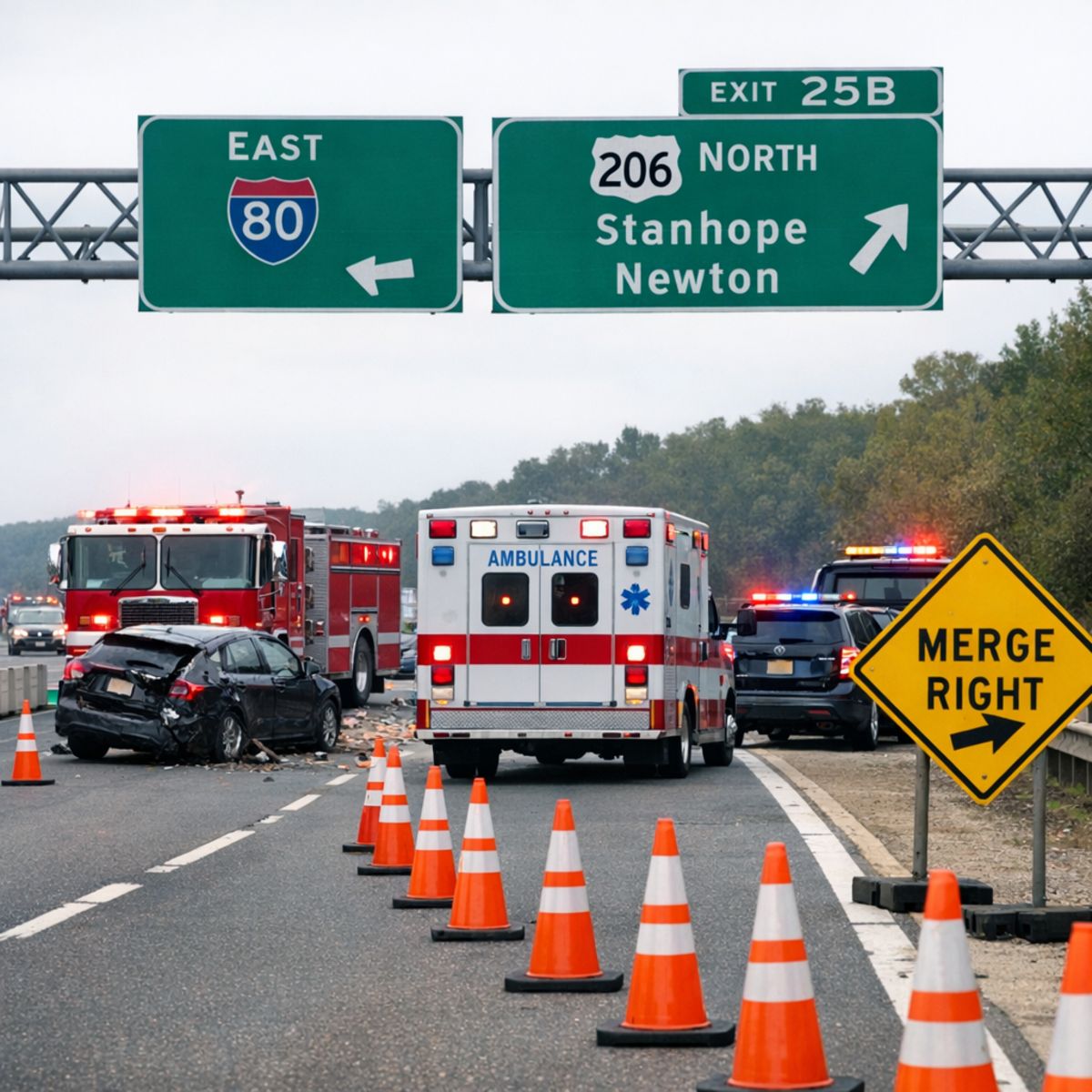
If you have been involved in a truck accident, focus first on safety, medical care, and preserving information. The right steps can protect your health and make it easier to understand what happened later. If you need broader car accident lawyer guidance after a crash, it may help to review your options once your immediate needs are addressed.
Immediate steps at the scene
1. Get medical attention right away. Call 911 if anyone may be hurt, and accept evaluation from emergency responders if offered. Even if injuries seem minor, follow treatment instructions and monitor for symptoms that appear later.
2. Report the crash. Notify law enforcement and ask how to obtain the crash report number or other identifying information if it is available. A formal report can be an important record.
3. Preserve basic evidence if you are physically able. Take photos of vehicle positions, damage, road conditions, traffic signs, and any visible debris. If witnesses are willing, collect their names and contact details.
Steps to take in the days after the crash
4. Keep organized records. Save medical records, repair estimates, receipts, towing bills, missed-work information, and any communication related to the collision. These details are often easier to gather early than later.
5. Be careful with recorded statements. When speaking with insurers, avoid guessing about speed, distance, or fault. If you do not know an answer, it is better to say so than to speculate.
6. Speak with a truck accident lawyer promptly. Commercial crash cases may involve driver logs, maintenance records, electronic data, and other evidence that should be reviewed before it is lost. A timely legal consultation can help you understand next steps while the facts are still being preserved.
How a Truck Accident Claim Is Investigated and Built
From case review to evidence analysis
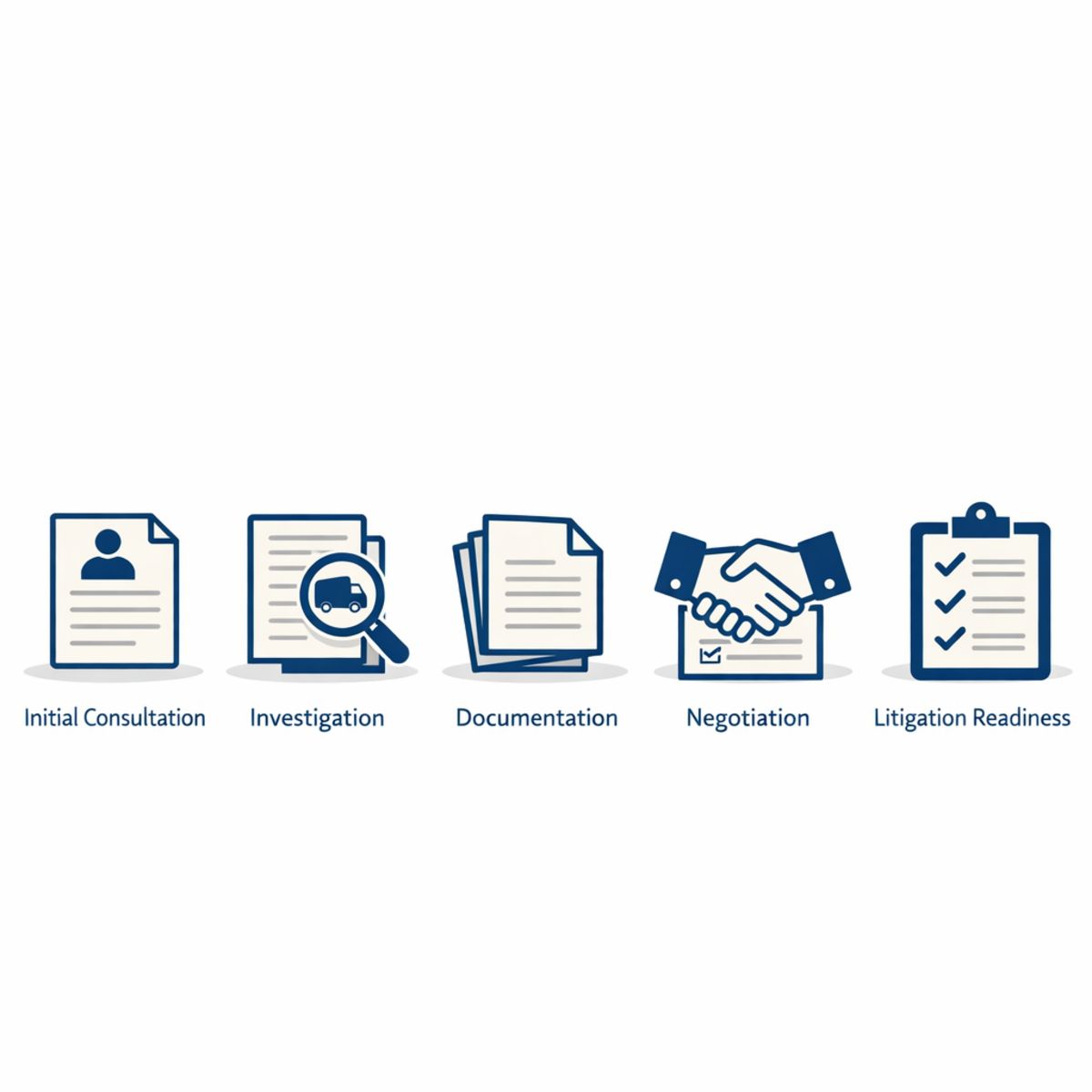
The process usually starts with an initial case review. An attorney listens to what happened, reviews available documents, and identifies what evidence may need to be preserved. In a truck accident case, that can include crash reports, photographs, medical records, witness statements, black box data, driver logs, maintenance records, and company safety materials.
Next, the claim is analyzed to determine liability and evaluate damages. This step may involve looking at the truck driver’s actions, the trucking company’s practices, vehicle maintenance issues, cargo loading, or other contributing factors. When appropriate, an attorney may work with experts in accident reconstruction, trucking compliance, or medicine to better understand how the collision happened and how the injuries affect daily life. Some people also seek vehicle accident lawyer support for injury claims as they sort through these issues.
Negotiation, filing, and next-stage preparation
Once the evidence and damages documentation are organized, the attorney can present the claim to the insurance company and begin negotiations. This often includes medical records, proof of lost income, and other materials that show the impact of the injuries. If fault is disputed or the insurer does not respond reasonably, the next step may be preparing to file a lawsuit.
Not every case goes to court, but strong preparation matters either way. Building a claim often means continuing to gather records, respond to insurer arguments, and prepare for formal litigation if necessary. Timelines vary depending on the severity of injuries, how quickly records become available, and whether liability is contested.
Key Liability and Evidence Issues in Truck Accident Cases
Truck accident claims often require a broader liability review than a typical passenger vehicle crash. Depending on the facts, lawyers may examine driver fatigue, inspection history, maintenance failures, cargo loading problems, training gaps, route pressure, and company safety supervision. These issues can affect how a collision happened, but fault always depends on the specific evidence rather than assumptions. For readers comparing legal options, some concerns overlap with car accident lawyer help for injury cases, yet commercial trucking cases frequently involve additional records and parties.
Common factors lawyers review
A truck accident law firm may look at hours-of-service logs, dispatch communications, inspection reports, repair records, loading documents, and employer safety policies. General questions may include whether the vehicle was properly maintained, whether cargo was secured, whether the driver was adequately trained, and whether company oversight met safety expectations.
Why documentation often decides the dispute
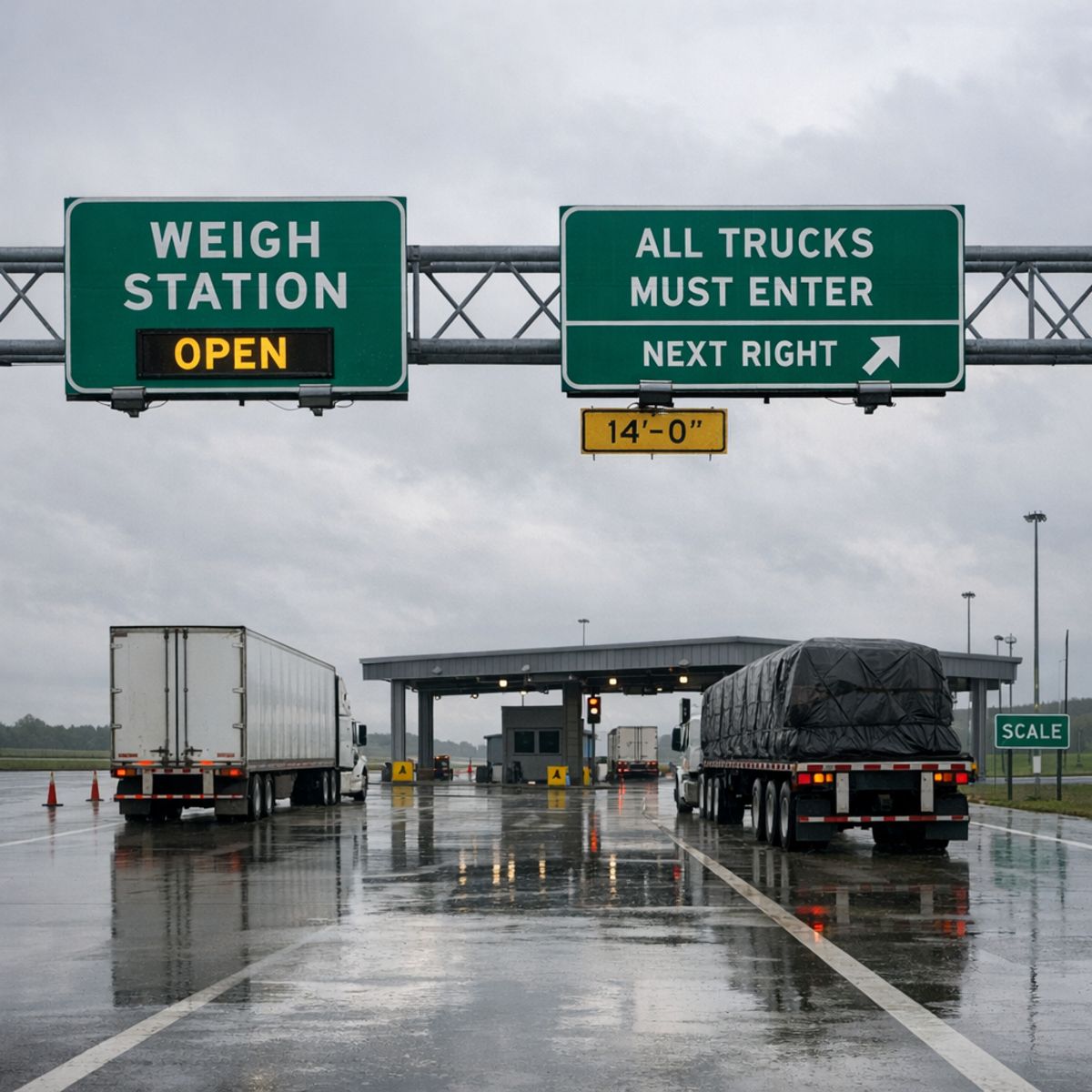
Proving responsibility usually depends on what the available records show. Electronic data, maintenance files, weigh-station information, photographs, witness statements, and official reports can support or challenge claims about speed, driving hours, mechanical condition, and decision-making before impact. Careful evidence review helps identify who may bear responsibility and why.
Frequently Asked Questions
When should I contact a truck accident lawyer after a crash?
It is often helpful to seek legal guidance as soon as practical after a crash. Early action may help preserve evidence, clarify deadlines, and explain the next steps in a general way.
What evidence is most important in a truck accident case?
Commonly important evidence includes the crash report, scene photos, medical records, witness statements, driver logs, maintenance records, and available electronic data from the truck. The specific records that matter most depend on how the collision happened.
Can more than one party be responsible for a truck accident?
Yes. Depending on the facts, responsibility may involve the driver, a trucking company, a maintenance provider, a cargo-loading party, or another entity connected to the vehicle or trip.
How is a truck accident claim different from a car accident claim?
Truck accident claims can involve commercial safety rules, company records, and more complex insurance issues than a typical car crash. They may also require review of business practices, inspection history, and electronic logging information.
What if the insurance company contacts me first?
If an insurer reaches out, it is generally wise to stay calm, provide only accurate basic facts, and avoid guessing or giving detailed recorded statements before you understand your situation. Careful communication can help prevent confusion later.
When It May Be Time To Contact the Team
If you are dealing with serious injuries, disputed fault, or a crash involving a commercial carrier, it may help to get legal guidance tailored to the facts of your situation. A case review can help you better understand liability, the evidence that may matter, and what steps to take next.
A practical next step
Timely guidance may help protect important records and clarify your options after a truck crash. If you have questions about the claims process or need help evaluating the details of your case, our team is available to help.
Final Thoughts on Choosing a Truck Accident Lawyer
Truck accident cases are often more complicated than ordinary crashes because they can involve additional evidence, multiple potentially responsible parties, and stricter procedural demands. That is why prompt, informed action matters. Preserving records early, keeping clear documentation, and getting appropriate medical care can all make a meaningful difference in how a claim is understood and supported.
The main takeaway
If you are trying to choose a truck accident lawyer, focus on someone who understands the complexity of these cases and can review the facts before important evidence is lost. A calm, timely legal review can help you better understand your options and move forward with greater clarity and confidence.