
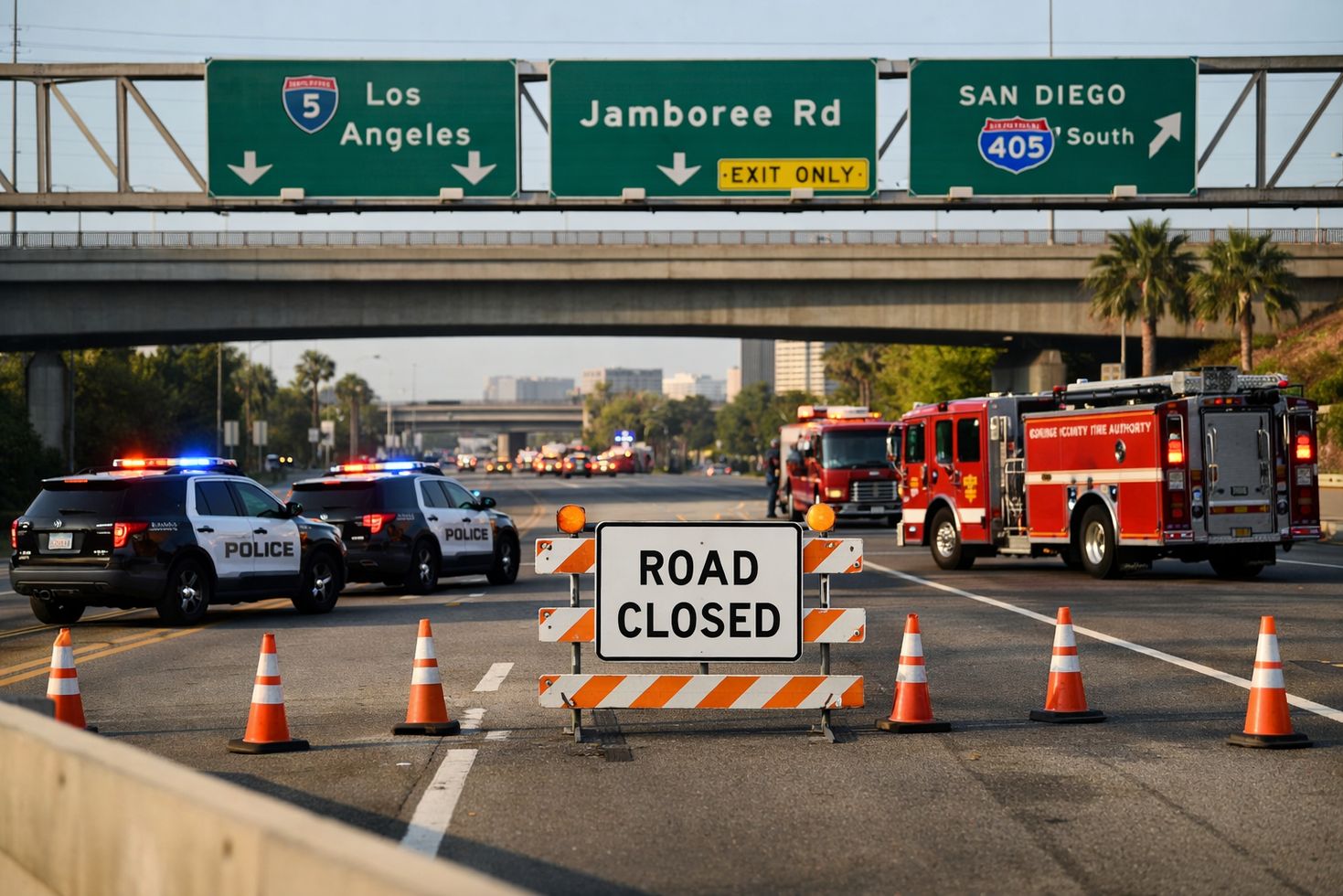
If you are researching a truck accident lawyer topic in Irvine, it helps to know that truck accident claims are often more involved than a typical car crash claim. Commercial truck collisions can raise added questions about driver logs, company records, maintenance history, insurance coverage, and whether more than one party may be involved. This article is a general informational guide designed to explain the process at a high level, not to provide case-specific legal advice.
In many situations, the first reports after a crash are only preliminary. Facts may develop as investigators review documents, vehicle data, witness statements, and other evidence. Because of that, early assumptions do not always reflect the full picture.
Below, you will find a practical overview of why these claims can be more complex, along with sections covering liability issues, evidence, common claim steps, and frequently asked questions. The goal is to help readers understand the general landscape in a clear, calm, and useful way.
What a Truck Accident Lawyer Does
A truck accident lawyer helps people understand and pursue an injury claim after a crash involving a commercial vehicle. In plain terms, that role often includes reviewing the facts, gathering records, documenting losses, communicating with insurance companies, and helping build a claim under California law. A lawyer may also explain how the legal process works, what deadlines may apply, and what information can support a claim. This is general legal information, not case-specific advice.
Depending on the facts, a truck collision may involve more than just the driver. A claim can also raise questions about a trucking company, vehicle maintenance, cargo loading, employer policies, or other third parties. Because of that, some people compare the role to an auto accident attorney, but commercial vehicle cases can require added attention to business records, inspection history, and insurance communications. If you are also researching choosing a personal injury law firm, it can help to understand how these responsibilities fit into the broader injury claim process.
Core responsibilities in a commercial vehicle claim
A lawyer may review crash reports, medical records, photographs, witness statements, repair information, and insurance documents. They may gather and organize records, assess what additional documentation could be useful, and communicate with insurers or opposing parties on the client’s behalf. They can also help prepare a demand, track damages, and explain how liability and evidence may be evaluated in a California personal injury claim.
How truck cases compare with other vehicle injury claims
Truck accident claims do not always follow the same path as standard passenger vehicle cases. Some involve more documentation and more than one potentially responsible party, which can affect how the claim is investigated and presented. Even so, the lawyer’s role remains grounded in careful review, clear communication, and helping the client understand the process and available options.
Why Truck Accident Cases Are Different From Many Car Accident Claims
Truck accident claims may involve a different investigation path than many passenger vehicle cases. Compared with a typical car accident claim, a commercial trucking matter may raise questions about federal or state regulations, business practices, vehicle maintenance, and layered insurance coverage. In Irvine and elsewhere, the facts often determine which records and parties become relevant.
More parties, policies, and records
A standard car crash often centers on one or two drivers and their insurers. A truck case, depending on the facts, may also involve an employer, a vehicle owner, a maintenance company, a broker, or a cargo-related entity. Company policies, driver qualification records, inspection logs, and route or cargo documentation may become important if they relate to how the collision happened.
Evidence sources that may not appear in a standard car crash
Commercial claims may require review of additional evidence such as service records, dispatch communications, insurance structures, and compliance materials that are not usually part of an ordinary passenger vehicle case. Not every collision follows the same pattern, and not every record is available in every matter. For readers comparing options, Irvine car accident lawyer legal guidance may help explain how these differences can affect case evaluation and next steps.
Key Evidence That Can Shape a Truck Accident Claim
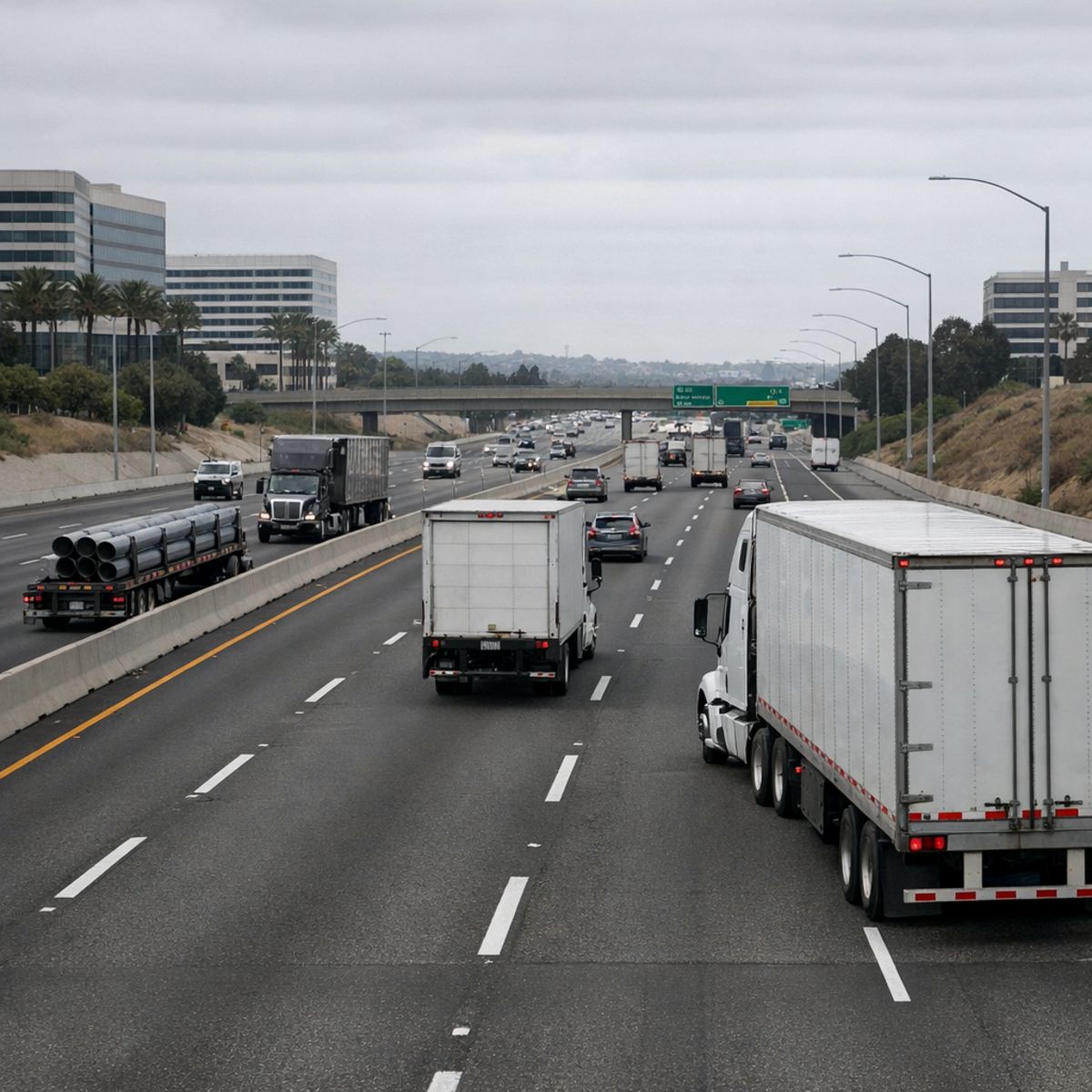
In a truck accident claim, the available evidence often determines how clearly the events can be understood. Early information may include crash reports, photographs of the scene, vehicle damage documentation, witness statements, and medical records. In some matters, commercial records such as inspection logs, maintenance records, driver qualification materials, and other company documentation may also become relevant.
Scene documentation can help establish roadway conditions, weather, traffic controls, vehicle positions, and visible debris patterns. Official reports are often important starting points, but first reports can be incomplete, preliminary, or later updated as additional facts are reviewed. That is one reason organized claim development matters when timelines or disputed details are unclear.
Scene documentation and official reports
Photos, diagrams, and written observations may help clarify how a collision unfolded. They can provide context about lane markings, lighting, signage, road surface conditions, and the resting positions of the vehicles. Investigations sometimes refine or correct early assumptions, so preliminary reporting is not always the final word.
Commercial records that may become relevant
Depending on the circumstances, a review may involve maintenance and inspection records, employment-related materials, and insurance documentation. When these categories are assembled and compared with scene evidence and medical records, they can help clarify sequence, timing, and contested facts. For broader context, see motor vehicle accident claim representation.

How the Truck Accident Claim Process Usually Works
In California, a truck accident claim often moves through a series of common stages, but not every claim follows the same path. The sequence can depend on the seriousness of the injuries, whether fault is disputed, and how quickly records become available. In some situations, related issues may overlap with other injury matters, such as understanding what a pedestrian accident lawyer does, but truck claims usually involve their own evidence and commercial records.
1. Initial review of the collision facts
The process often begins with a review of the basic facts: the crash report, roadway conditions, vehicle positions, witness information, and the identities of the drivers, carriers, or other involved parties. This early stage helps clarify what information is already known and what still needs to be verified.
2. Collection of records and supporting documentation
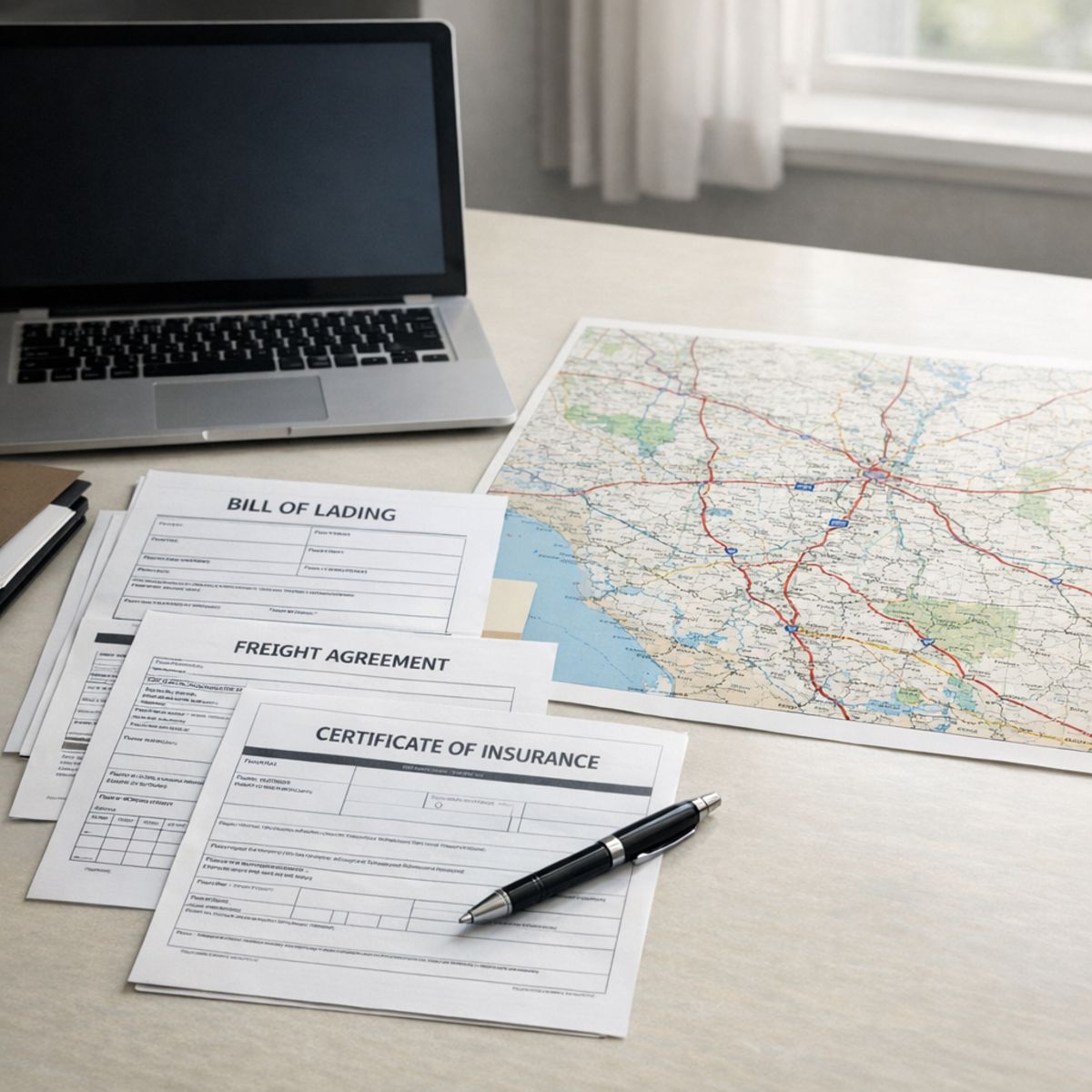
Next, the claim is usually supported with documentation. This may include medical records and bills, repair or total-loss information, photographs, wage or employment-related records, and, where relevant, commercial trucking materials such as maintenance records, driver logs, or company documents. The exact record set varies from claim to claim.
3. Insurance communications and claim development
Once the available evidence is organized, communications with insurance carriers typically follow. The claim may be evaluated based on liability, documented injuries, property damage, and other losses. Additional records or clarifications are sometimes requested before a fuller assessment can be made.
4. Negotiation or litigation when needed
Some truck accident claims resolve through negotiation after the evidence and damages are reviewed. Others may require filing a lawsuit if there are disputed facts, unresolved valuation issues, or other complications. Timelines vary, and the path from investigation through resolution depends on the specific circumstances of the claim.
Who May Be Involved in a Truck Accident Liability Analysis
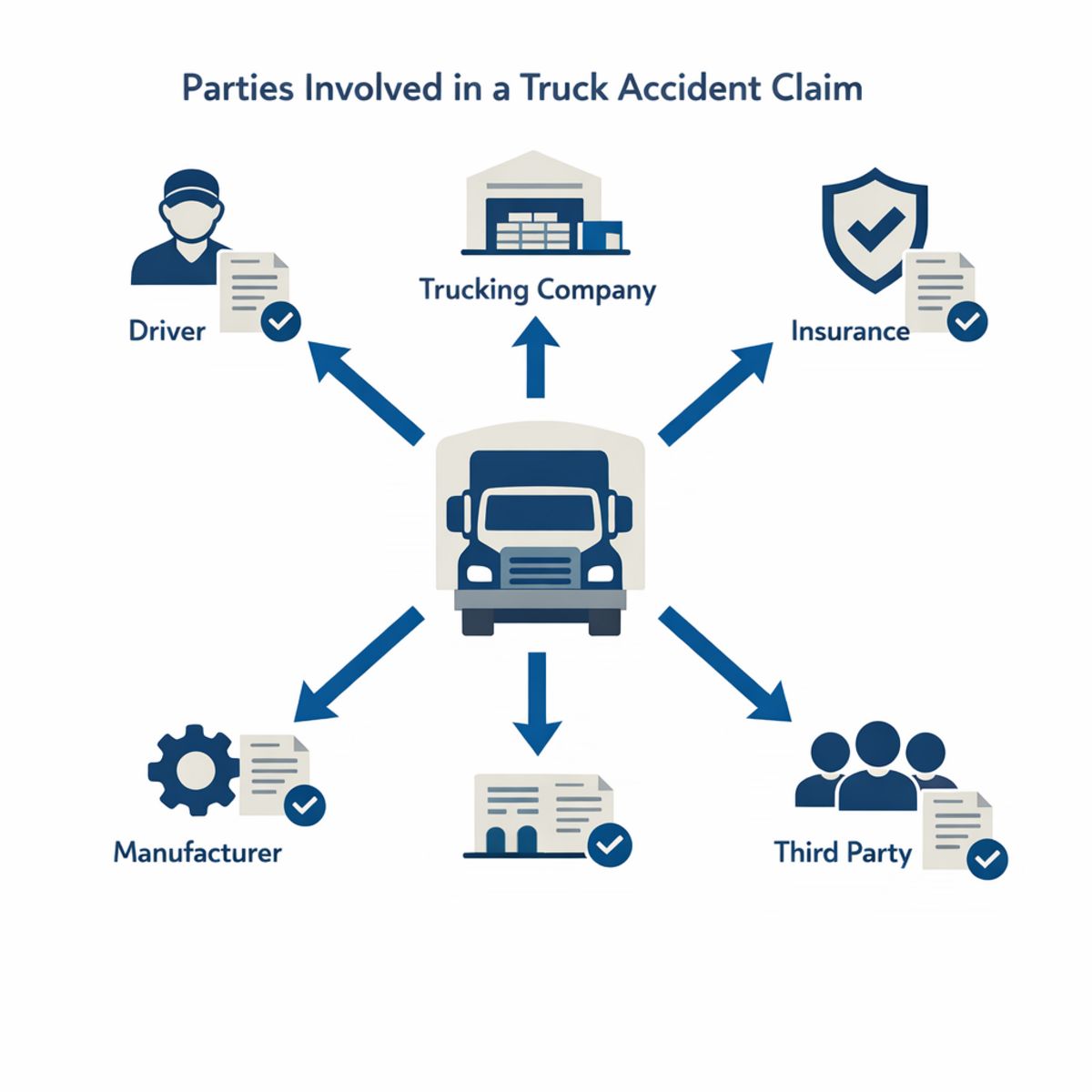
In a truck accident claim, a legal review may look at more than one person or business, depending on the facts. That can include the truck driver, the driver’s employer, the owner of the vehicle, a maintenance or repair provider, a cargo-related company, or even another motorist. In some situations, the relationships between these parties can make commercial vehicle claims more complex than a typical passenger-car case.
It is also important to separate review from proof. Identifying a party as potentially involved is not the same as establishing legal liability. A case analysis may simply examine who had a role in vehicle operation, ownership, loading, inspection, scheduling, or roadway events before any conclusions are reached.
Official investigations and civil claims can also move on different tracks, with different timelines and different purposes. For readers comparing how these issues may be evaluated in other motor vehicle matters, a car accident lawyer in Irvine may explain how fact review and liability analysis can develop over time.
Potentially involved parties in commercial vehicle cases
Depending on the available records and circumstances, a review may consider driver conduct, employment arrangements, vehicle ownership, maintenance history, cargo handling, and the actions of other road users. The purpose of that review is to understand which parties may be relevant to the claim, not to assign blame before the evidence is fully evaluated.
Frequently Asked Questions About Truck Accident Lawyers
What makes a truck accident claim different from a car accident claim?
Truck accident claims often involve commercial vehicles, which can bring additional records, company policies, and insurance issues into review. In some situations, more than one business or individual may be examined, so these claims can be more complex than a typical car accident matter.
What evidence is often important in a truck accident case?
The evidence can vary, but common examples include crash reports, scene photos, witness information, and medical records. Depending on the facts, commercial documents such as driver logs, inspection records, maintenance files, or shipping-related paperwork may also matter.
Can more than one party be involved in a truck accident claim?
Yes. Depending on the circumstances, a claim may involve review of the driver, a trucking company, a vehicle owner, a maintenance provider, or others connected to cargo or operations. Which parties are relevant depends on the facts and does not automatically establish responsibility.
When do people usually speak with a truck accident lawyer after a crash?
People often seek legal guidance when questions come up about injuries, insurance communications, records, or whether multiple parties may be involved. The timing varies, but early questions often focus on understanding the process and what documentation may be relevant.
Contact the Team for General Next Steps
If you want to discuss a truck or car accident matter in Irvine, the team can provide general information about the process and possible next steps in a clear, professional way.
Conclusion
Truck accident claims in Irvine often involve more records, more than one potentially responsible party, and a closer review of how the crash happened than many car accident cases. Understanding the process, evidence, and parties involved can help readers make better sense of these claims.