
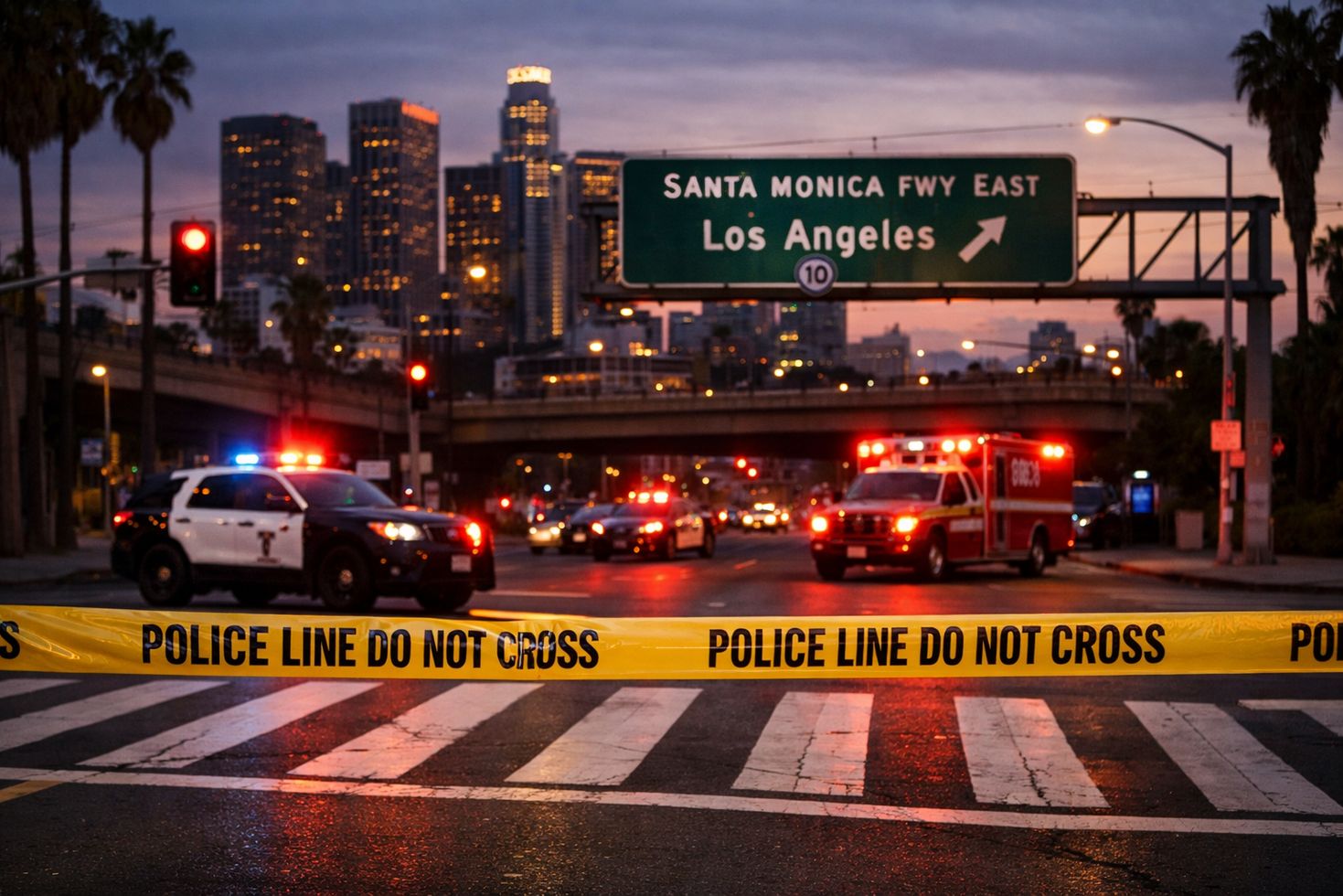
A pedestrian accident lawyer often becomes part of the conversation when a collision raises questions about medical records, insurance coverage, police reports, and what procedural steps may apply next. In Los Angeles, these matters can involve fast-moving facts, multiple sources of information, and early reports that may be incomplete or still under review. This page is intended to provide general legal information about pedestrian accident claims and related issues, not case-specific advice or conclusions about what happened in any particular incident.
Pedestrian collisions can lead to complex legal and insurance questions because the available evidence may come from several places, including scene documentation, witness statements, traffic or surveillance footage, vehicle data, and medical records. At the same time, insurers and investigators may evaluate events differently while the facts are still being developed. A pedestrian accident lawyer may help assess records, identify relevant insurance issues, and explain common procedural considerations in a careful, fact-based way.
Why pedestrian accident cases can be legally complex
These cases are often legally complex because documentation must be reviewed closely without assuming fault before the investigation is complete. Questions can arise about roadway conditions, visibility, traffic controls, statements made at the scene, and how different records fit together. A neutral review of the available information is often important when understanding how a claim may be evaluated.
What a Pedestrian Accident Lawyer Typically Does
A pedestrian accident lawyer generally helps evaluate how an incident happened, what laws may apply, what insurance coverage could be involved, and which records may matter to a claim. In plain terms, what a pedestrian accident lawyer does often includes organizing facts, identifying missing documentation, and communicating with insurers and other parties as a case develops.
This role usually starts with a review of available information, such as collision reports, photographs, medical records, witness statements, and scene evidence if it exists. Counsel may also assess timelines, preserve relevant documents, and monitor procedural requirements. The goal is not to predict an outcome, but to better understand the claim and manage it in a structured way.
Core tasks in a pedestrian accident claim
Common tasks include reviewing police or traffic reports, gathering treatment records and billing information, assessing insurance policies, communicating with adjusters, and tracking filing or notice deadlines. A lawyer may also help present the facts clearly and respond to requests for additional documentation. These steps are part of claim management and case preparation, not a guarantee of recovery.
How these cases overlap with vehicle accident claims
Many pedestrian matters overlap with work handled in broader personal injury cases or by a car accident attorney when a driver and vehicle are involved. In Los Angeles, issues like traffic signals, crosswalk location, roadway visibility, and driver conduct can make pedestrian claims similar to other motor vehicle cases. That is why they are often related to vehicle accident legal services in California, while still requiring close attention to the specific facts of a pedestrian injury claim.
Why Legal Guidance Can Matter After a Pedestrian Collision
After a pedestrian collision, the issues involved in a claim can extend beyond a single report or insurance form. There may be medical records, photographs, witness statements, property damage information, and questions about how the incident happened. In some situations, facts may be disputed or several parties may be involved. Legal guidance can provide structure to that process by helping people understand how information is gathered, reviewed, and presented in a more organized way. For readers comparing options, Los Angeles car accident lawyer legal guidance may be relevant when evaluating process support in California.
Keeping records organized
One practical benefit of legal support is organization. Claims may involve incident reports, scene photographs, medical documentation, billing records, repair or replacement records for damaged property, and correspondence from insurers. When these materials are kept consistent and easier to review, it can reduce confusion and help ensure that key details are not overlooked. This kind of support is often less about predicting an outcome and more about maintaining clarity throughout the claims process.
Managing communication and deadlines
Claims can also involve ongoing communication with insurance representatives and other parties, along with procedural requirements that may change depending on the circumstances. Legal guidance may help identify what information could be relevant under California law and support more consistent communication as a case develops. That can be especially useful when a pedestrian accident claim includes disputed facts, multiple records, or time-sensitive steps that benefit from careful tracking.
How a Pedestrian Accident Claim Commonly Progresses
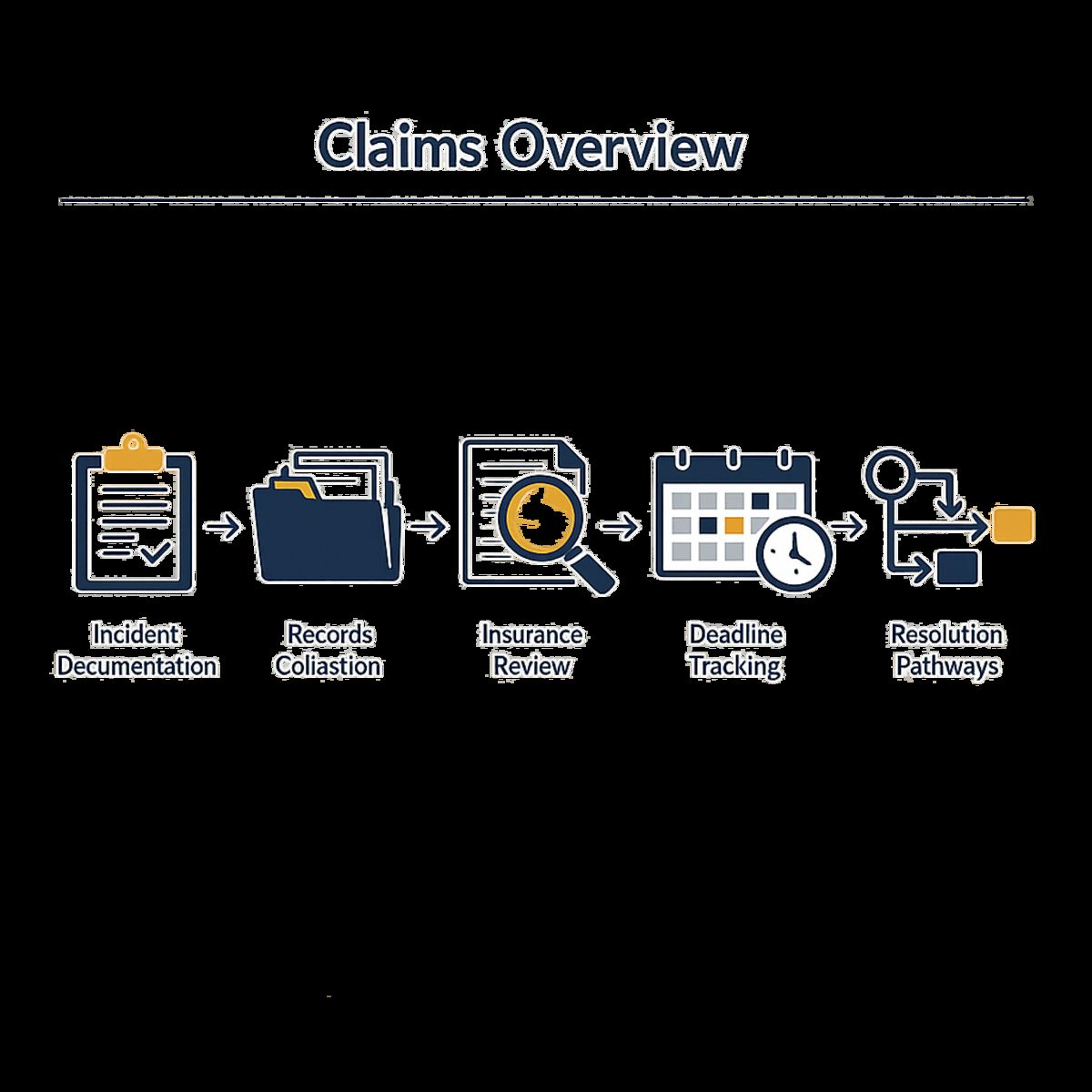
A pedestrian accident claim often moves through a series of practical steps, beginning with a review of what happened and continuing through investigation, insurance communication, and possible resolution. The exact path depends on the facts, the available records, and whether important issues remain disputed. Early information can also change as additional evidence is gathered.
Initial review and fact gathering
The process commonly starts with collecting the basic incident details and available records. This may include police or collision reports, photographs, video if available, witness names, roadway or crosswalk details, and medical documentation related to the reported injuries. At this stage, the goal is usually to understand the sequence of events and identify what information is already available versus what still needs to be confirmed. This early review does not necessarily establish fault, and preliminary accounts may be incomplete.
Insurance communication and evidence review
After the initial review, there is often notice to the relevant insurance carriers and a more detailed evaluation of the evidence. Insurers may request records or statements, and the claim may be reviewed alongside photographs, traffic signals or signage, roadway layout, vehicle damage, and the broader context of the scene. Losses and damages are also assessed in general terms using available medical records, wage information, and other documentation that helps show how the incident affected the injured person.
Possible resolution paths
Once the facts and documentation are developed, some matters may resolve through negotiation, while others may require formal litigation steps. Whether a claim stays in negotiation or proceeds into court can depend on disputed facts, differing views of responsibility, or questions about the extent of damages. If you are also comparing how other injury matters are handled, see Los Angeles truck accident lawyer claims. In any pedestrian case, the progression is shaped by the evidence and the issues that remain open as the matter develops.
General Steps That Are Often Important After a Pedestrian Collision
After a pedestrian collision, common steps may include gathering and organizing information connected to the incident. People often keep copies of photographs, contact details, incident reports, repair-related records, and written correspondence from insurers or other parties. Accurate documentation can help create a clearer timeline of what happened and what information was exchanged over time.
Preserve available information
Available records may include police or crash reports when they exist, scene photographs, witness names, medical billing statements, and emails or letters related to the claim. Many people also keep notes about dates, phone calls, and any reference numbers tied to the matter. Obtaining official records when available may help confirm details and reduce confusion later in the process.
Review insurance and claim communications carefully
Insurance and claim communications often contain deadlines, requests for information, or descriptions of how a file is being evaluated. For that reason, people frequently review these materials closely and keep copies of everything sent or received. In some situations, legal review may help interpret procedural requirements and insurance language. For those comparing representation options, information about choosing a personal injury law firm may also be useful.
How Pedestrian Accident Cases Compare With Other Traffic Injury Claims

Pedestrian accident claims often share legal process elements with car, truck, and motorcycle matters, but the factual focus can look different. Instead of concentrating mainly on vehicle occupant dynamics, these cases may require closer review of crosswalk markings, traffic signals, sight lines, roadway layout, lighting, and visibility conditions. They can also raise different insurance questions depending on the vehicles involved and the available coverage.
By comparison, occupant injury claims often center more heavily on vehicle damage patterns, interior impact points, and driver-related documentation. Pedestrian matters may place added emphasis on scene evidence, timing, surveillance footage, witness observations, and traffic control devices. Even so, there is meaningful overlap with broader vehicle accident practice areas, including Los Angeles car accident lawyer support, motorcycle-related claims, and truck collision cases.
Differences in evidence and scene analysis
In many pedestrian cases, scene analysis may involve where a person was located relative to a crosswalk, whether signals were present, how visible the area was, and how roadway design affected movement and observation. That differs from many car, truck, or motorcycle claims, where the analysis may focus more on lane position, vehicle spacing, commercial records, or rider-specific documentation.
Los Angeles Factors That Can Affect Pedestrian Accident Claims
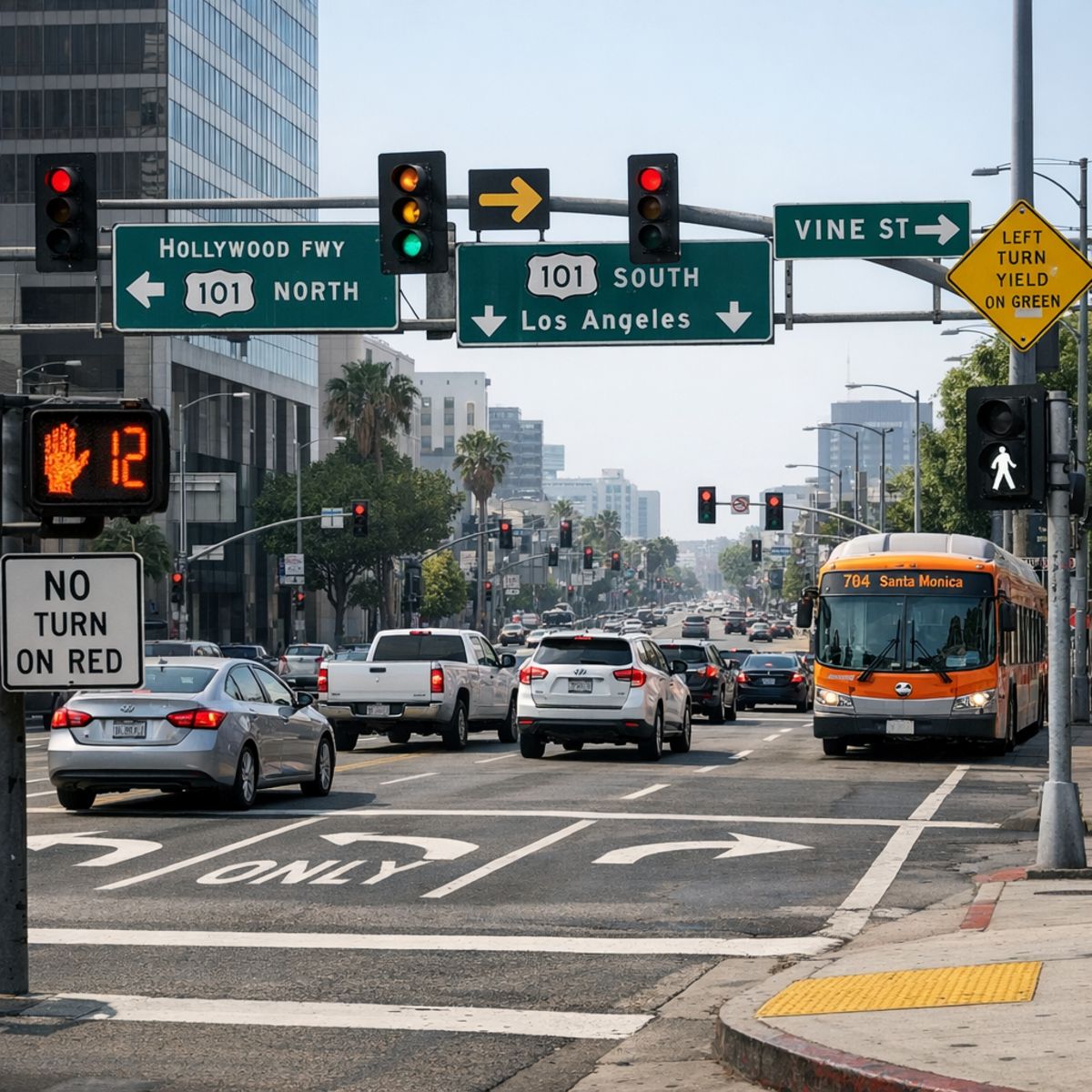
In Los Angeles, pedestrian accident claims may be shaped by dense traffic, busy intersections, transit corridors, and changing roadway conditions. These settings can affect what evidence is available, including traffic signal timing, street layout, nearby business footage, transit-area observations, and public roadway records. Claims may involve city streets, commercial districts, or neighborhood corridors, and each location can present different documentation sources. For readers comparing broader regional issues, our pedestrian accident lawyer location guide offers additional context.
Urban roadway context matters
Traffic density, signal patterns, and commercial activity can all influence how an incident is documented in Los Angeles. Keeping the discussion general helps show how local conditions may matter without assuming facts about any specific case.
Frequently Asked Questions
Quick answers to common questions
What does a pedestrian accident lawyer do?
A pedestrian accident lawyer reviews the facts of an incident, explains the legal process, communicates with insurers, gathers records, and evaluates potential claims. In California, the lawyer may also assess traffic laws, liability issues, and available insurance coverage related to the accident.
What evidence is commonly reviewed in a pedestrian accident claim?
Common evidence may include police reports, photographs, video footage, witness statements, medical records, scene details, and vehicle information. In Los Angeles cases, nearby business cameras, traffic cameras, and documentation showing road or crosswalk conditions may also be relevant.
Can a pedestrian accident involve auto insurance coverage?
Yes. A pedestrian accident may involve the driver’s auto insurance, and in some situations other policies may also be reviewed. Coverage questions depend on the facts, the policy language, and how the collision occurred, so each case is evaluated on its own details.
Do all pedestrian accident cases go to court?
No. Some pedestrian accident claims are resolved through investigation and settlement discussions, while others may proceed into litigation if disputes remain. Whether a case goes to court depends on factors such as liability, damages, insurance issues, and whether the parties can reach an agreement.
When It May Be Time to Contact the Team
Some people decide to seek legal guidance when the facts of an accident are unclear, an insurer asks for extensive documentation, or the injuries and financial losses appear significant. In those situations, it may help to learn more about the steps involved, the information a firm may review, and how pedestrian and related vehicle accident matters are typically handled.
A measured next step
If you would like general information about the firm’s process, you can contact the team to discuss next steps. Reaching out is simply a way to request information and does not, by itself, create an attorney-client relationship.
Key Takeaways
Pedestrian accident claims often depend on clear documentation, insurance questions, and facts that are unique to the incident. Medical records, photos, witness information, and a basic understanding of the claims process can all help people evaluate their options more clearly.
A practical overview
In Los Angeles, roadway design, traffic patterns, and neighborhood-specific conditions can add another layer of complexity. A careful review of the details can make it easier to understand how a claim may be approached. For those who want more information, speaking with a legal team can be one way to get guidance tailored to the situation.