
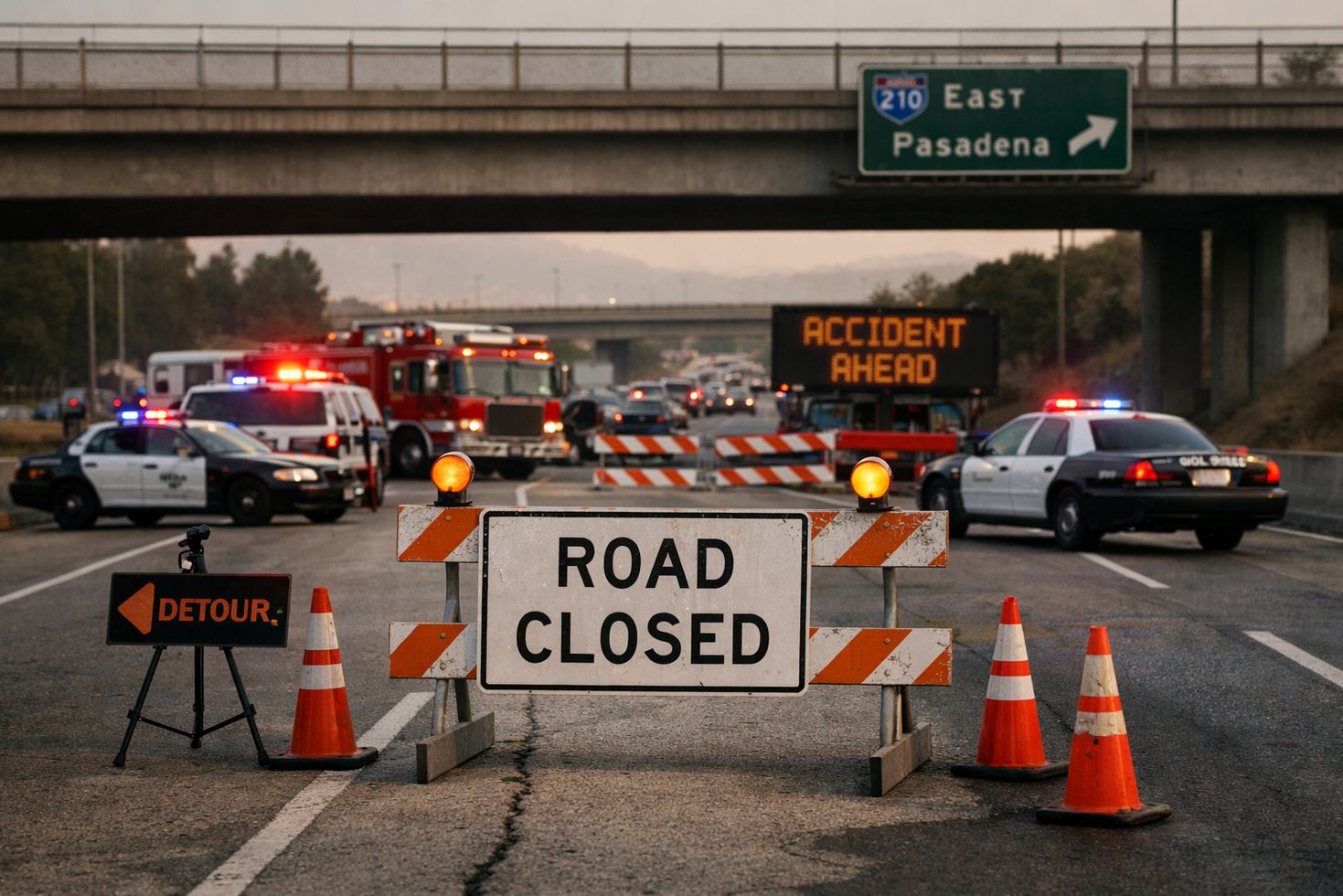
Auto injury lawyers help people understand the legal and insurance issues that can follow a vehicle collision. Many people begin researching this topic after a crash raises questions about fault, insurance communications, medical records, lost income, or the steps required to document a claim. In many situations, legal guidance focuses on liability, damages, deadlines, and the procedures that may affect how a matter moves forward.
Because every crash, injury, and insurance claim is different, no single overview can address every circumstance. State laws, policy terms, available evidence, and the facts of the collision can all influence what happens next. For that reason, this article provides general information only and is not legal advice for any specific matter.
What this guide covers
The sections below explain what auto injury lawyers generally do, when they may become involved after a collision, how claims often progress, and common questions people ask when trying to understand the process. The goal is to offer a practical, neutral overview that sets clear expectations without making promises about any outcome.
What Auto Injury Lawyers Do
An auto injury lawyer helps people understand and manage the legal side of a collision-related claim. In plain terms, that can include reviewing the facts of the crash, gathering available records, communicating with insurance companies, and organizing the claim so the issues are presented clearly. Many people use terms like auto accident attorney, accident lawyer, or accident injury attorney interchangeably, but the basic role is the same: provide legal representation focused on rights, evidence, and procedure.
A lawyer’s work often starts with investigation. That may include reviewing crash reports, scene photographs, witness statements, repair records, and medical documentation when available. The goal is not to make assumptions, but to understand what happened, what evidence exists, and what additional information may be needed. An attorney may also help identify potentially responsible parties, which can matter when more than one driver, vehicle owner, employer, or insurer is involved.
From there, legal representation usually involves tracking deadlines, reviewing coverage issues, preparing claim materials, and handling communications related to negotiation or, if needed, litigation. For readers comparing options, car accident lawyer services and guidance generally focus on building and presenting a legally supported claim rather than simply reporting a loss.
Core responsibilities in a collision claim
Core tasks often include evidence review, documentation analysis, insurer communication, legal issue spotting, and claim preparation. An auto injury lawyer may compare reports and records for consistency, request missing documents, organize timelines, and assess how facts relate to traffic laws, negligence questions, and insurance terms. If you want a more detailed overview, see what a car accident attorney does.
How legal help differs from insurance handling
Insurance companies generally evaluate claims from a coverage, documentation, and payment perspective. A lawyer, by contrast, looks at legal rights, available evidence, procedural requirements, and how to prepare the claim if disputes arise. That distinction helps explain why legal representation can involve broader analysis than general insurance handling alone.

When Legal Help May Be Most Useful
Not every crash requires a lawyer, but legal help may be useful when a claim becomes harder to sort out. This often happens when fault is disputed, several vehicles are involved, injuries require significant medical treatment, or insurance coverage is unclear. In these situations, an injury lawyer or personal injury lawyers may help organize the issues, identify the relevant records, and communicate with the insurers involved.
Claims that involve added complexity
Some claims become more complicated because there are multiple drivers, conflicting statements, or overlapping policies. Questions can also arise when an uninsured or underinsured driver is involved, or when coverage limits and exclusions are not easy to interpret. If a commercial vehicle is part of the crash, a truck accident lawyer claim guidance resource may be relevant because those cases can involve additional parties, company records, and insurance layers.
Why documentation often matters more in difficult cases
When facts, timelines, or responsibilities are disputed, documentation often matters more. Medical records, repair estimates, photographs, witness information, and a clear timeline can all affect how a claim is evaluated. Legal support may be especially helpful when keeping those materials organized becomes difficult or when different parties disagree about what happened. The focus is usually on clarifying the record rather than assuming any particular outcome.
How the Auto Injury Claim Process Generally Works
An auto injury claim often develops in stages rather than through one fixed sequence. While every matter is different, a general roadmap can help explain how a car accident claim typically moves from early fact gathering to negotiation or, in some situations, formal filing. Investigations may also evolve over time as additional records, statements, and other evidence become available.
1. Gathering facts and reviewing early records
The process often begins with collecting basic information tied to the collision. This may include crash reports, photographs, witness names, vehicle damage records, repair estimates, and medical documentation related to the injuries involved. Early review helps identify what is known, what still needs confirmation, and whether more records should be requested.
Initial reports can be important, but they are not always final. In some cases, early incident details are preliminary or incomplete, and later investigation may clarify how the crash happened or who was involved. That is one reason claim development usually depends on both early records and ongoing evidence collection.
2. Building the claim and moving it forward
After the first round of fact gathering, the claim is generally developed through insurance notice, review of available evidence, and continued documentation of losses. This can include tracking medical treatment, follow-up care, missed work, repair expenses, and other records that help show the impact of the collision. A personal injury claim is often strengthened by consistent documentation over time rather than by one single document.
If the matter does not resolve informally, the next stage may involve negotiation based on the available evidence and claimed damages. In some situations, formal legal filing may be considered before applicable deadlines expire. Readers looking for more context on when to contact a personal injury lawyer may find that timing questions often relate to evidence preservation, insurer communication, and filing deadlines.
- Initial fact gathering and record collection
- Review of crash reports and other available evidence
- Insurance notice and claim development
- Ongoing documentation of treatment, repairs, and losses
- Negotiation and, if necessary, filing within applicable deadlines

Auto Injury Lawyer vs. Insurance Company Roles
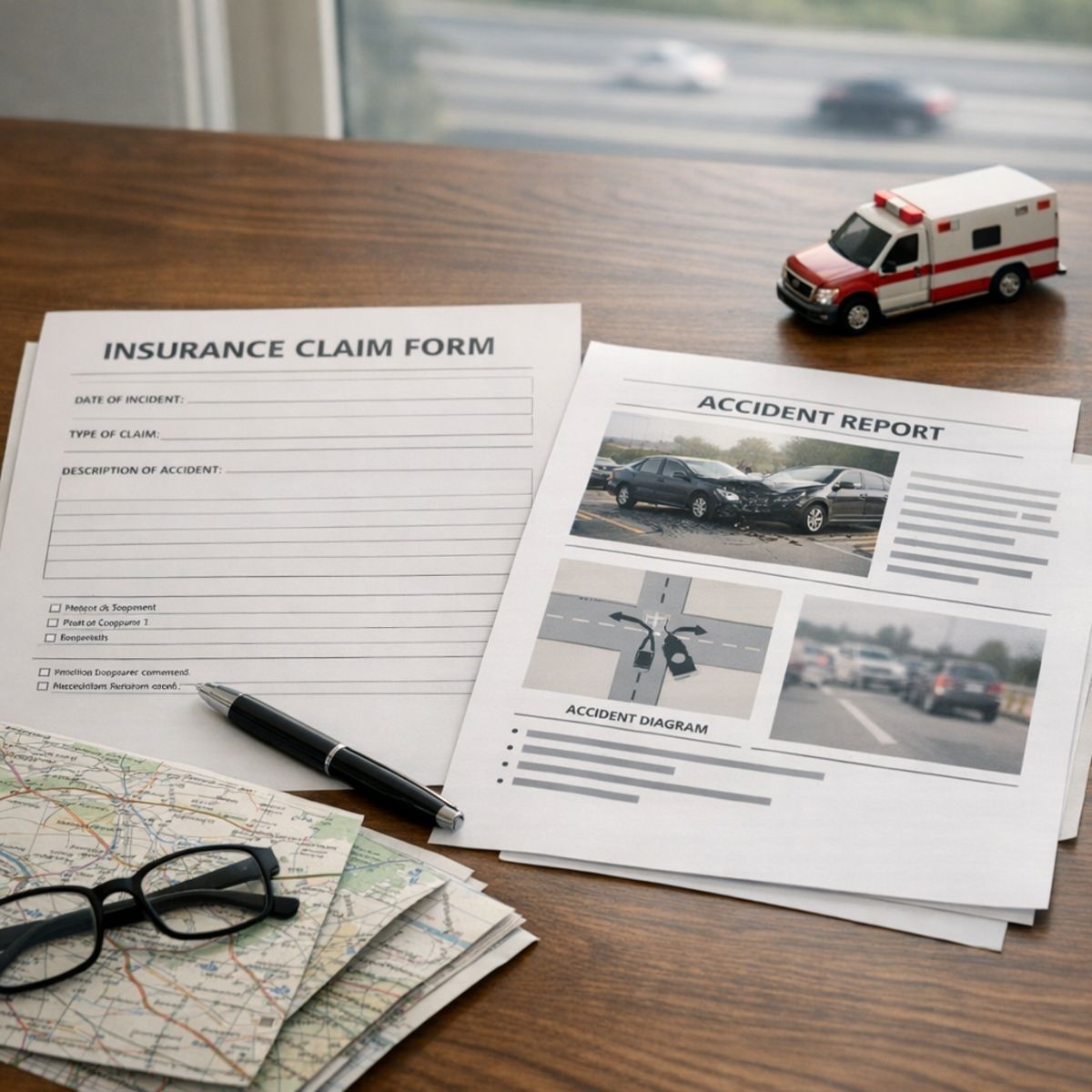
After a crash, an insurance company and a lawyer may both review the same basic information, but they do so for different reasons. The insurance company generally evaluates coverage, confirms policy terms, reviews reported losses, and processes the claim under its procedures. A lawyer focuses on legal analysis, evidence strategy, and advocacy related to how the facts, records, and deadlines may affect the injured person’s position.
Different functions in the same claim
An adjuster may gather statements, inspect documents, and request medical or repair records to assess the claim. A lawyer may review those same materials to identify what supports the claim, what additional documentation may help, and what procedural steps should happen next. In that sense, both may communicate with parties and organize records, but their roles are not identical.
Clear communication, complete documentation, and attention to deadlines can shape how a claim develops over time. For readers comparing car accident lawyer claim support options, it can help to understand that the insurer administers the claim, while legal counsel advises on rights, evidence, and process.
Cost Questions Readers Often Have
Many readers naturally want to understand likely costs before contacting a law office. In general, fee structures and case-related expenses can vary based on the firm, the type of matter, and the specific circumstances involved. Because of that, broad online summaries may not reflect current terms or how a particular office handles a case.
Why general cost answers are limited
The most reliable approach is to review current terms directly with the law office you are considering. That helps ensure you receive information that is accurate, up to date, and tailored to the matter you want to discuss.
Evidence, Deadlines, and Related Accident Claims
Preserving records early can make it easier to understand how an accident claim is documented over time. In general, helpful materials may include photos, repair records, medical paperwork, witness information, and communications tied to the incident. It is also important to be aware that filing deadlines can apply under the law, and those timelines may affect when a claim must be started.
Related claim types and evidence patterns
Related accident matters can involve different evidence patterns. Truck collisions may raise issues involving commercial records and vehicle data, while motorcycle and pedestrian cases may depend more heavily on scene evidence, visibility, and witness accounts. Readers comparing claim types may also want to learn more about what a pedestrian accident lawyer does. These topics are closely connected, but the specific facts and applicable deadlines can vary.
Frequently Asked Questions About Auto Injury Lawyers
Quick answers to common questions
What does an auto injury lawyer do after a crash?
An auto injury lawyer generally reviews the facts of the crash, examines insurance issues, and assesses potential legal claims. This may include gathering records, communicating with insurers, and evaluating who may be legally responsible.
When do people usually contact an auto accident attorney?
People often seek legal help after a crash involving significant injuries, disputed fault, multiple vehicles, or insurance complications. Some also make contact when medical treatment is ongoing or when a commercial vehicle is involved.
Does every car accident require an injury lawyer?
No. Minor collisions with limited damage and no meaningful injury may be resolved without legal representation. More complex cases may raise issues that lead some people to explore legal guidance.
What records do accident lawyers usually review?
Commonly reviewed materials include crash reports, photographs, medical records, medical bills, witness statements, insurance correspondence, and repair estimates. In some matters, phone records, video footage, or employment records may also be relevant.
How are truck accident claims different from standard car accident claims?
Truck accident claims can involve commercial insurance policies, company records, driver qualification files, and federal or state transportation rules. They may also include additional potentially responsible parties beyond the driver, such as a carrier, maintenance provider, or cargo-related company.
When to Contact the Team for More Information
If you would like more information about the firm’s car accident representation, contacting the team is the best way to get current details about the process, intake procedures, and possible next steps. The team can provide firm-specific information based on your questions. Reaching out for information does not, by itself, create an attorney-client relationship.
Key Takeaways
Auto injury lawyers often help by gathering and reviewing evidence, communicating with insurance companies, analyzing legal issues, and guiding people through claim procedures. The details of any claim can vary based on the type of collision and the specific facts involved, so understanding the general process can be useful. If you need information about a particular situation, direct contact with a law firm may help clarify next steps.