
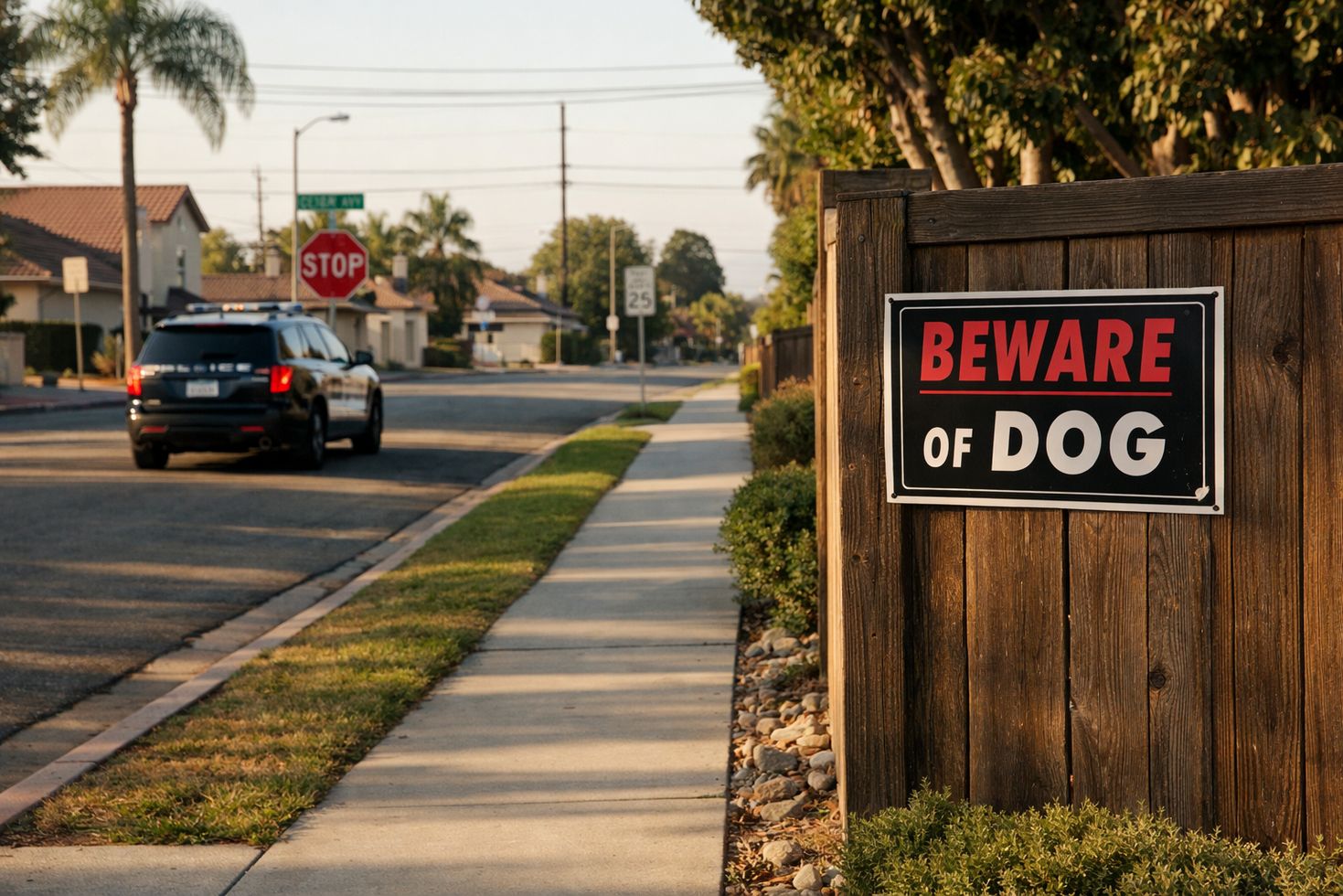
California dog bite law is largely shaped by Civil Code 3342, a statute that can impose strict liability on a dog owner when a bite happens under qualifying circumstances. In practical terms, that means some dog bite claims are handled differently from other personal injury matters that depend more heavily on proving negligence. This article provides general legal information about the statute, how it often applies, and why the surrounding facts can still matter.
The discussion is centered on Civil Code 3342 and related claim issues, including when the law may apply, what exceptions or limitations may come up, and how a claim is commonly evaluated. Although California law can be favorable to injured people in certain bite cases, not every situation fits neatly within the statute, and non-bite injuries or disputed facts may raise different legal questions.
What this guide covers
Below, this guide outlines the basic rule under the statute, situations where additional facts may affect the analysis, common issues that arise in dog bite injury claims, and the general steps people often review after an incident. It is intended as a clear overview, not case-specific legal advice.
What California Civil Code 3342 Says
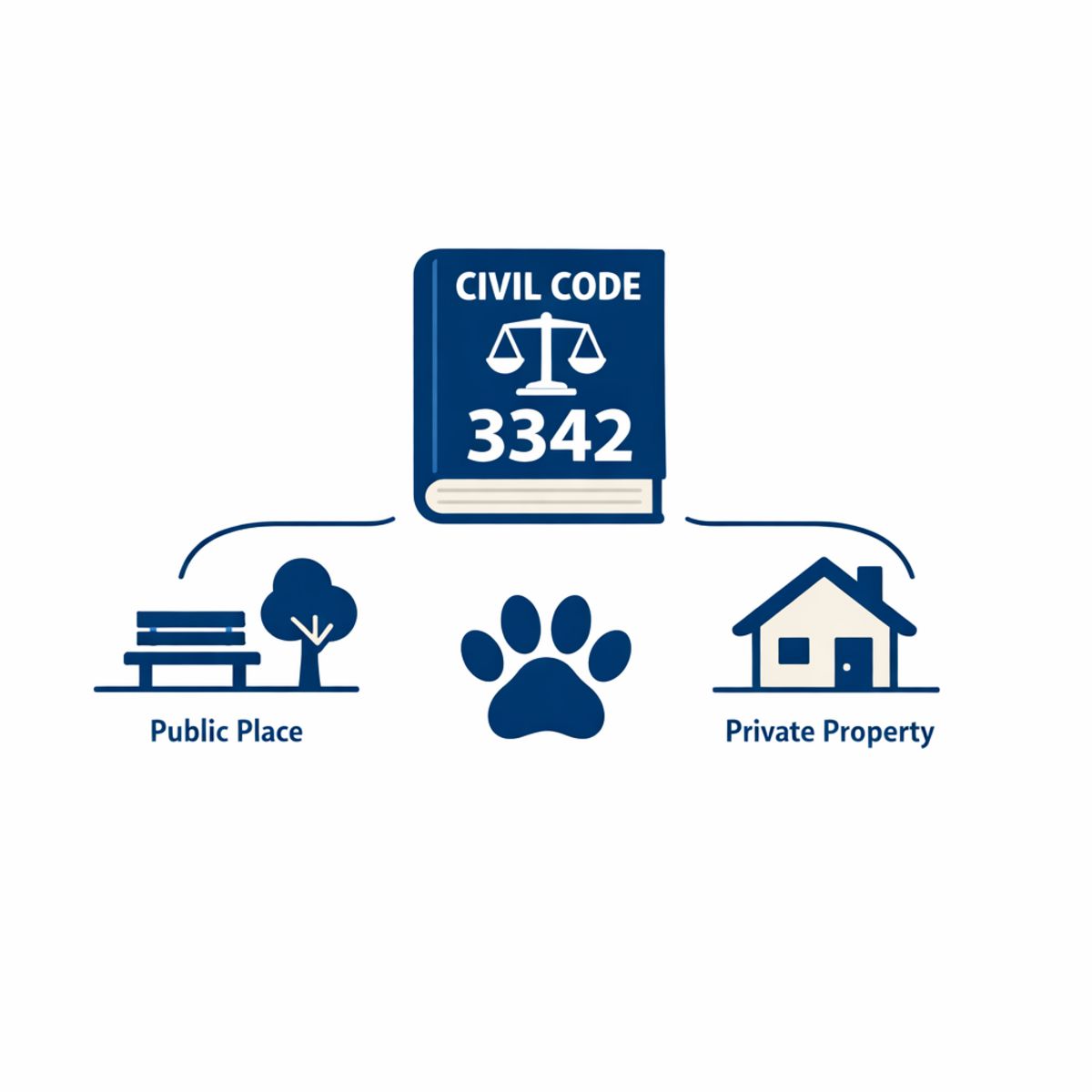
California Civil Code 3342 is the california dog bite statute. In plain English, it says a dog owner is generally responsible when their dog bites someone in a public place or when the person bitten is lawfully on private property. This rule is the basic legal foundation for many California dog bite claims, and it focuses on bites rather than every type of dog-related injury.
A simple definition snippet: Civil Code 3342 makes a dog owner generally liable for bite injuries when the bite happens in public or when the injured person is lawfully on private property.
This means the law does not usually require an injured person to prove the owner knew the dog was dangerous before the bite happened. That is why civil code 3342 is often described as a strict liability statute for dog bites. If you want broader California dog bite attorney legal guidance, this statute is often the starting point.
Public places and lawful presence on private property
The statute commonly applies in two settings. First, it covers bites in public places such as sidewalks, parks, or other areas open to the public. Second, it can apply on private property if the injured person was there lawfully. Lawful presence can include invited guests, tenants, postal carriers, delivery workers, or others who have permission or a legal reason to be on the property. The key point is that the person generally must not be trespassing.
Why the statute focuses on the dog owner
Civil Code 3342 generally centers on the dog owner, not every person who may have been handling or watching the dog at the time. In other words, the california dog bite statute is mainly about owner liability for bites. Other people or entities may be relevant under different legal theories depending on the facts, but the statute itself is primarily directed at owners and bite-related injuries.
How Strict Liability Works in Dog Bite Cases
In California, a strict liability dog bite claim generally means an injured person does not always have to prove the owner already knew the dog was aggressive. In practical terms, the law can hold an owner responsible for a bite even if the dog had never bitten anyone before. That is a major difference from the common idea that a dog gets “one free bite.”
This does not mean every case is automatic. Strict liability changes what must be proven, but it does not remove all factual questions. The injured person still typically needs to show that a bite happened, that the correct owner has been identified, that the person was lawfully in the place where the incident occurred, and that actual harm resulted.
California is not a classic one-bite rule state
Some states are discussed in terms of a one bite rule framework, where prior knowledge of dangerous behavior may play a larger role. California is different because liability for a dog bite may arise under the statute without requiring proof that the owner had advance warning of aggression. That distinction often matters to people who wrongly assume they must uncover an earlier attack before they can bring a claim.
Why facts still matter even under strict liability
Even with a stricter legal standard, disputes can still arise over the details. Parties may disagree about whether the injuries came from a bite, whether the dog belonged to the person being sued, whether the injured person was legally on the property or in a public place, and how serious the damages are. So while strict liability can simplify one part of the case, it does not eliminate the need for clear evidence.
Strict Liability vs. Other Dog-Related Injury Claims
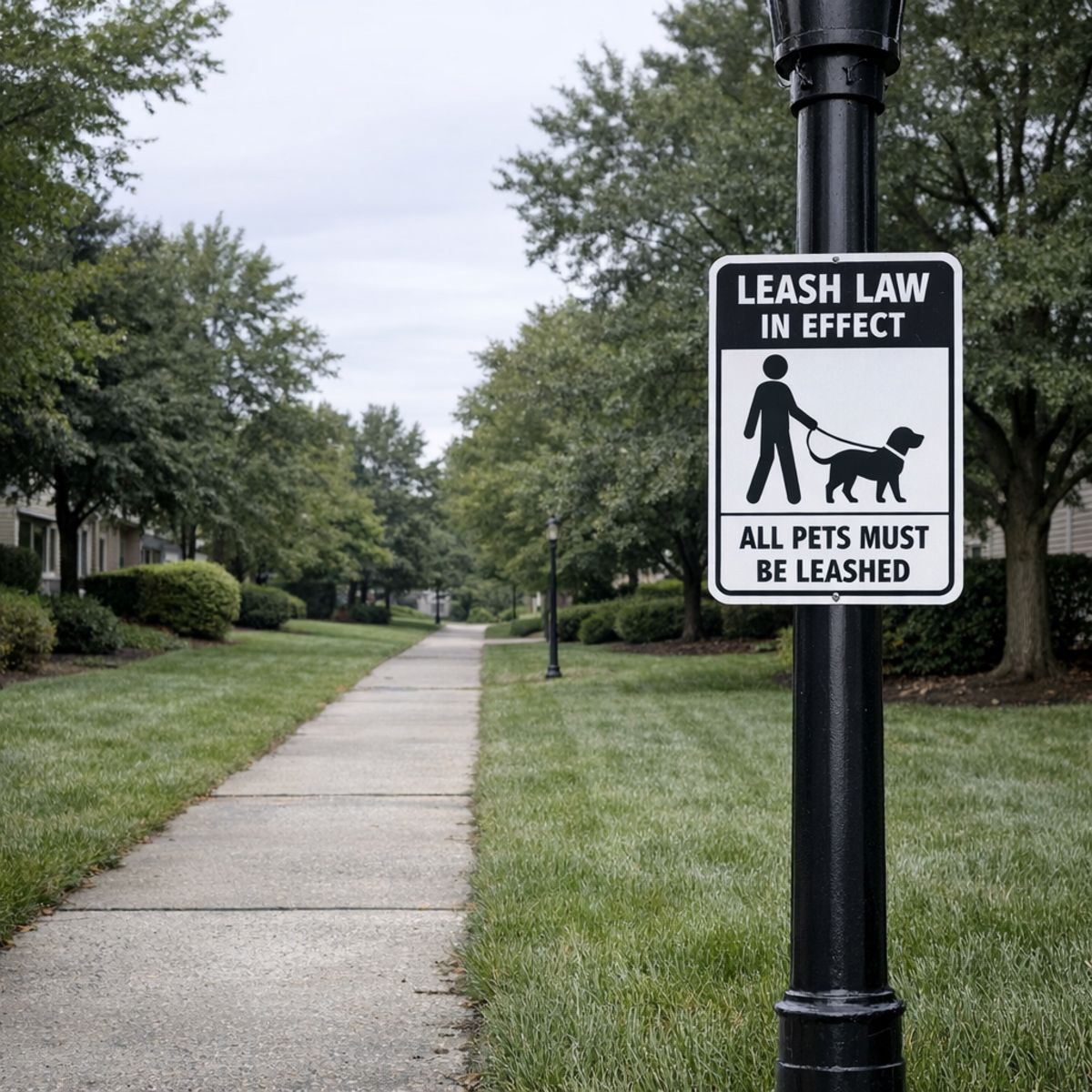
Not every dog-related injury is evaluated the same way. In California, strict liability under Civil Code 3342 is generally focused on dog bites, which means a bite claim may be analyzed differently from an injury caused by a dog jumping, chasing, lunging, or knocking someone down. That distinction matters when people are trying to understand dog owner liability california rules and whether a statute applies directly to their situation.
Bite injuries versus non-bite injuries
A bite injury may fall under the state’s dog-bite statute, but non-bite incidents often require a different legal theory. For example, if a dog chases a bicyclist, causes a fall, or knocks over a visitor without biting, the claim may not fit neatly within the bite statute. In those situations, the legal analysis can depend more heavily on the surrounding facts, including what the owner knew, how the dog was being handled, and where the incident happened.
- Bite claim: may involve statutory strict liability.
- Jumping or knockdown incident: may involve negligence-based arguments.
- Chasing or restraint issues: may turn on conduct, control, or local rule violations.
When negligence may still matter
Negligence concepts may still appear either alongside a bite claim or instead of one. Depending on the facts, issues such as leash-law compliance, failure to control the animal, unsafe property conditions, or how an encounter was managed can become relevant. These cases are often more fact-specific, so broad assumptions can be misleading. Readers who want a general sense of what a personal injury lawyer does may find it helpful to compare how different injury claims are evaluated, even though dog-related incidents have their own rules and limits.
The key point is that the statute has boundaries. A dog-related injury does not automatically mean the same legal standard applies in every case, and the outcome can depend on whether there was a bite, a non-bite injury, or additional facts that may support a separate negligence analysis.
Common Limits, Defenses, and Case Factors
Dog bite claims are not always as simple as proving that an injury happened. In many cases, the surrounding facts affect how California Civil Code 3342 is applied and whether a claim is disputed. Questions about where the incident happened, why the person was there, and what occurred immediately before the bite can all matter. If you are looking for legal help for dog bite claims, it is important to understand that context often shapes the analysis.
Why lawful presence can matter
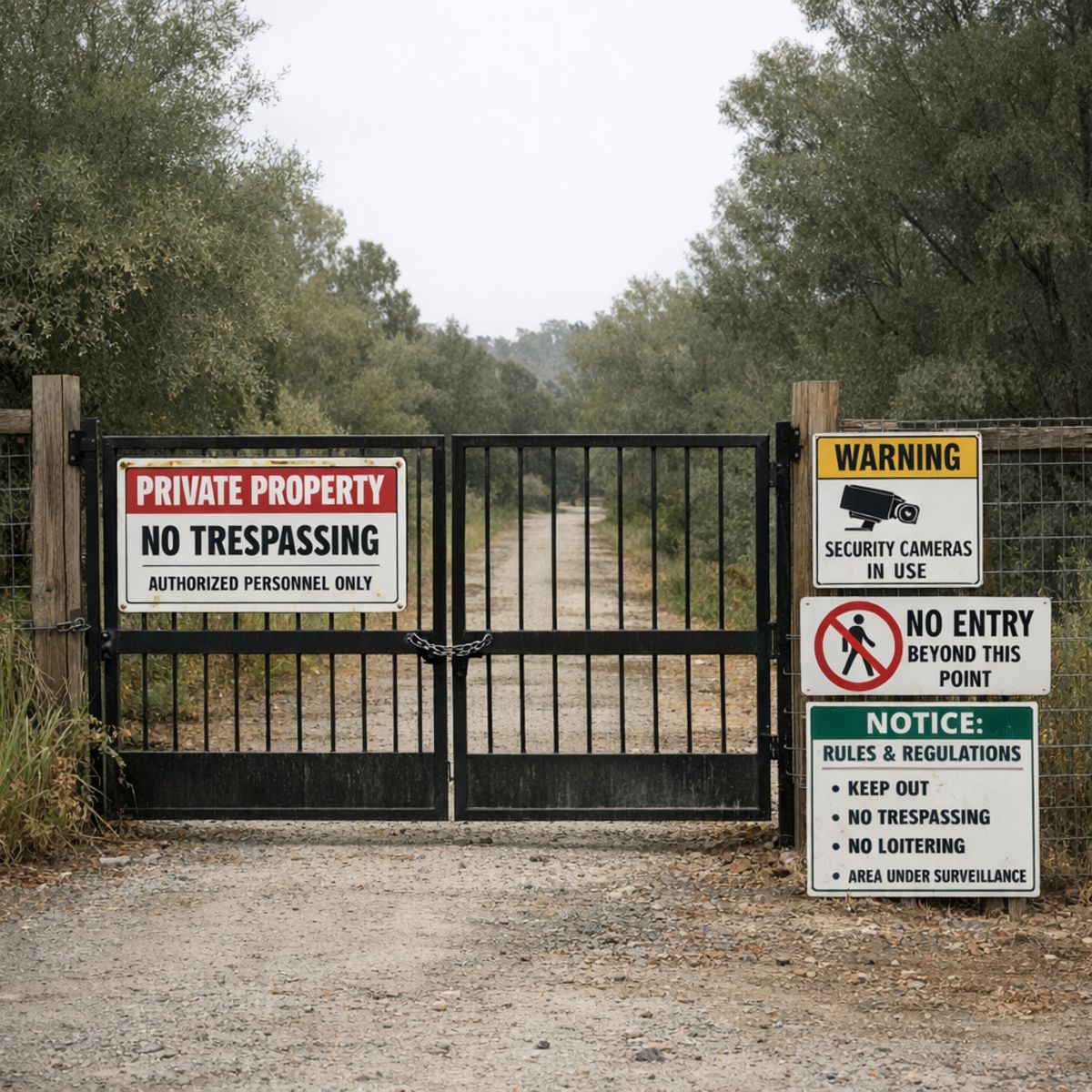
A common issue is whether the injured person was lawfully in a public place or lawfully on private property. For example, a guest, tenant, delivery worker, repair technician, or other invited person may be treated differently from someone who entered without permission. Trespassing arguments do not automatically decide a case, but they may affect whether the statute applies and how the facts are viewed. Related issues such as provocation may also be raised, though these defenses usually depend on the specific evidence rather than broad assumptions.
Exceptions and evidence issues
There can also be limited exceptions in certain settings, including situations involving working police or military dogs, so those cases should be evaluated carefully and on their own facts. Even when no clear exception applies, documentation often plays a major role. Medical records, incident reports, photographs, video, and witness accounts can help show how the event happened, how serious the injuries were, and whether competing versions of events are credible. No single fact guarantees a result, which is why a claim is usually evaluated by looking at the full timeline and available evidence.
How a Dog Bite Injury Claim Is Commonly Evaluated
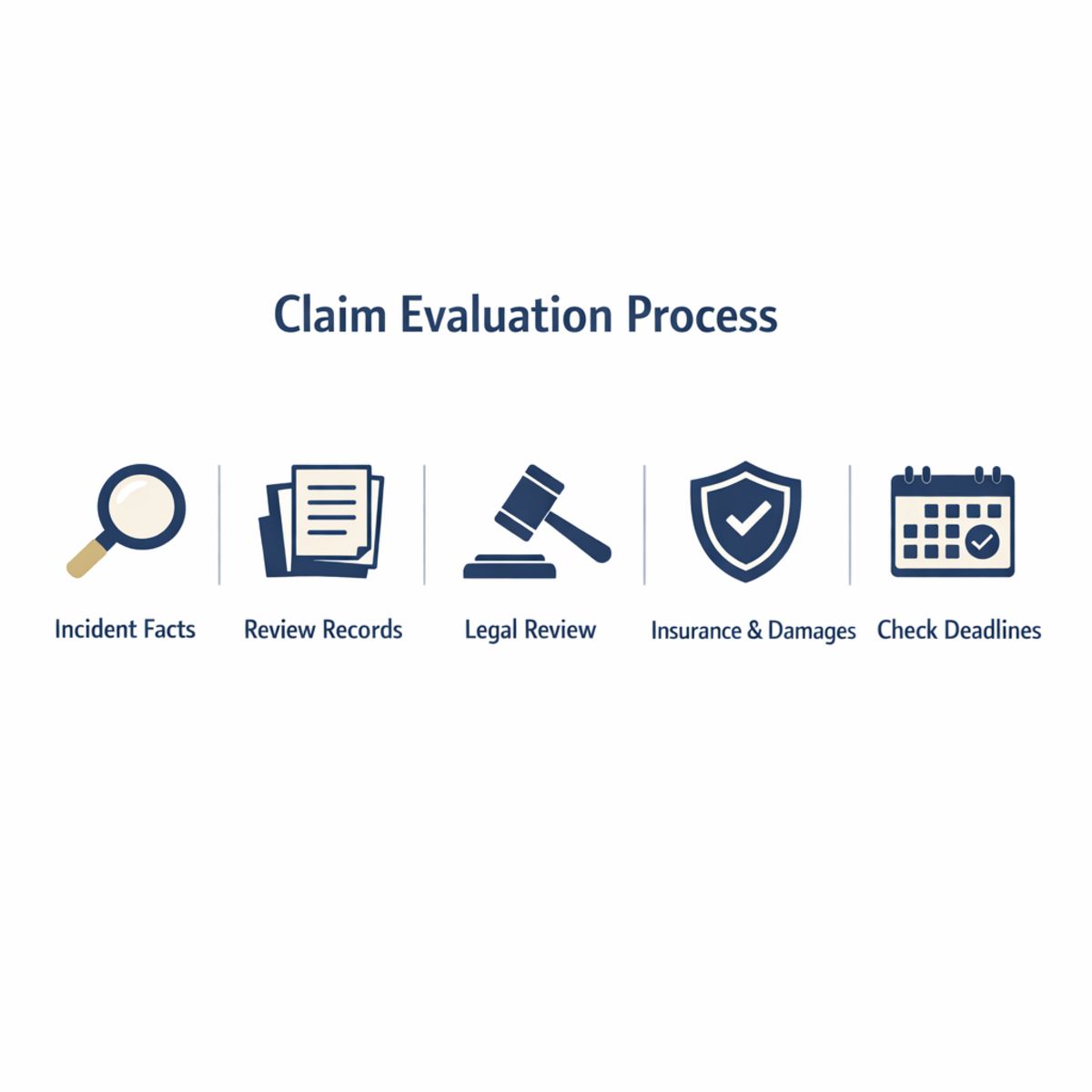
A dog bite claim is often evaluated in stages, with the exact timeline and issues depending on the facts, the available records, and the insurance involved. In general, the process begins with confirming the basic incident details and then moves into a broader review of documentation, legal theories, damages, and deadlines.
Documenting the incident and identifying the owner
- Identify the dog owner and core facts. Early review commonly focuses on where the incident happened, when it occurred, who owned or controlled the dog, and whether there were witnesses or prior reports.
- Gather available records. Medical records, photographs, animal control reports, and other incident documentation may help clarify what happened and the nature of the injuries being claimed.
Reviewing legal theories, insurance, and deadlines
- Review the legal basis for the claim. This may include considering whether California Civil Code 3342 applies or whether another theory is being examined based on the circumstances.
- Assess insurance and damages categories. Evaluation often includes identifying possible insurance coverage and organizing documentation related to medical expenses, lost income, and other claimed losses.
- Monitor deadlines and next steps. Claims review usually includes attention to notice requirements, filing deadlines, and other procedural steps. Because facts vary, the timing and issues in one matter may differ from another.
Frequently Asked Questions About California Dog Bite Law
Does California follow a one-bite rule for dog bites?
Generally, no. California typically applies a statutory strict liability framework to qualifying dog bite cases instead of a classic one-bite rule that depends on prior knowledge of dangerous behavior.
Does Civil Code 3342 apply if the bite happened on private property?
It may, if the injured person was lawfully on private property at the time of the bite. Whether someone was lawfully present can be an important issue in evaluating the claim.
What if a dog caused an injury without actually biting?
Non-bite injuries may be analyzed under different legal theories rather than the dog bite strict liability statute. The facts of how the injury happened often matter.
Can a dog owner still dispute a claim under strict liability?
Yes. Disputes can still arise over ownership, whether a bite occurred, whether the injured person was lawfully present, and the nature and extent of damages.
When to Contact the Team About a Dog Bite Matter
Questions about a dog bite matter often depend on the specific facts, available records, and timing. This article is intended as general information and is not case-specific legal advice. If you want to discuss how these issues may apply to your situation, you may contact the team for guidance about a dog bite matter.
General information, not case-specific advice
A careful review of the circumstances and documentation can affect legal analysis. Reaching out does not by itself create an attorney-client relationship, but it can help you decide what information may be relevant to your questions.
Key Takeaways on California Dog Bite Law
California Civil Code 3342 generally makes a dog owner strictly liable when their dog bites someone who was lawfully in a public place or lawfully on private property. In practical terms, that means a person does not usually have to prove the owner knew the dog was dangerous for the statute to apply.
At the same time, not every dog-related injury is treated the same way. Bite cases often fall under strict liability, while non-bite injuries may depend on different legal theories and a closer review of how the incident happened. The specific facts, the location, and the nature of the injury all matter.
The bottom line is that California dog bite law can be straightforward in some situations and more nuanced in others. A careful, case-specific evaluation is often necessary to understand how the law applies.