
Many people wonder whether they need a personal injury attorney after a car accident, especially in the first days after a crash when medical concerns, insurance calls, and repair questions all seem to arrive at once. In reality, not every collision requires the same level of legal help. Some claims are relatively straightforward, while others become more complicated because of serious injuries, unclear fault, delayed symptoms, limited insurance coverage, or disagreements with an insurer.
If you are unsure whether to contact a lawyer after a car accident, that uncertainty is common. The right time to seek legal guidance often depends on the facts of the crash and how the claim is developing. This article explains the factors that can make legal support more important, including injury severity, liability disputes, communication problems with insurance companies, and signs that a case may be harder to resolve on your own.
Below, you will find a practical overview of warning signs, what the claims process may involve, and the next steps to consider if you are trying to decide whether legal help makes sense in your situation.
What a Personal Injury Attorney Does in a Car Accident Claim
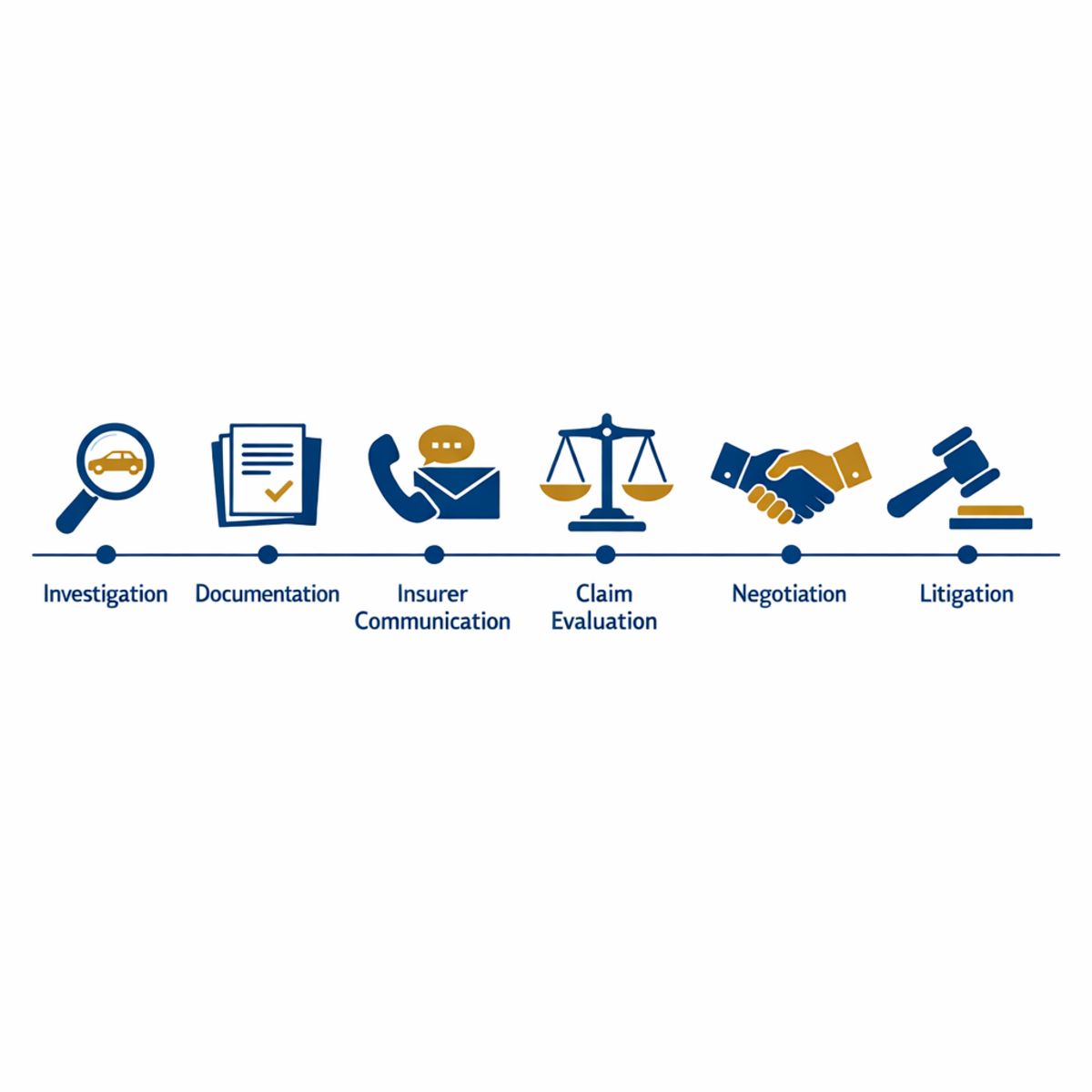
A personal injury attorney helps protect your interests after a crash by managing the legal and insurance sides of the claim while you focus on recovery. In a car accident case, that work often starts with investigating how the collision happened, gathering police reports, medical records, witness statements, photos, and other evidence that supports fault and damages. An attorney also identifies deadlines, filing requirements, and missing documentation that can affect the outcome of a claim.
A car accident attorney or auto accident attorney also handles communication with insurance companies. That includes responding to adjusters, organizing records, presenting evidence, and helping calculate the full value of losses such as medical bills, lost income, vehicle damage, pain, and future treatment needs. This can be especially important when injuries are serious, liability is disputed, or multiple parties may share responsibility.
Core Responsibilities During a Claim
Compared with handling a claim alone, an injury attorney brings structure to the process and helps avoid mistakes that can weaken recovery. That may include evaluating settlement offers, negotiating for fair compensation, and preparing a case for court if a resolution cannot be reached. If you are exploring car accident lawyer legal support, the goal is not just filing paperwork—it is building a stronger, better-documented claim from start to finish.
Signs You Should Consider Hiring an Attorney
If you are asking, “Do I need a lawyer after a crash?” a good rule of thumb is this: legal help may be worth considering when the claim is no longer simple. An attorney can help organize records, address liability questions, and reduce the risk of mistakes when insurers are closely reviewing what happened.
Injuries and Ongoing Medical Treatment
You may want legal guidance if your injuries require treatment beyond an initial visit, if symptoms continue, or if your recovery timeline is unclear. These situations often create more documentation, including follow-up appointments, work restrictions, and updated medical records. The more moving parts a claim has, the more important it becomes to keep the facts organized and consistent.
Fault Disputes and Insurance Challenges
A car accident attorney may also be helpful when fault is disputed. Common examples include conflicting driver statements, unclear police reports, crashes involving multiple vehicles, or accidents with uninsured or underinsured drivers. If an insurer questions liability, denies part of the claim, or pressures you to settle quickly, legal guidance can help you understand what information may still be needed.
Lost Income and Other Practical Losses
Missed work, transportation problems, and other practical losses can also make a claim more complex. When you are trying to track repair issues, rental costs, wage loss, and medical paperwork at the same time, it is easier for details to be overlooked. A lawyer can help present those losses in a more organized way.
- You need ongoing medical care or your condition is still changing.
- The other side disputes fault or the police report is unclear.
- Several vehicles were involved, making liability harder to sort out.
- The at-fault driver may be uninsured or underinsured.
- You have missed work or are dealing with multiple categories of loss.
- An insurer is pushing for a fast statement or quick settlement.

How to Choose the Right Personal Injury Attorney
Choosing the right personal injury attorney after a crash should feel practical, not overwhelming. As you compare options, focus on how a firm handles car accident cases, how clearly they communicate, and what you can expect during the consultation process. If you are researching an experienced car accident lawyer team, look for substance over advertising and pay close attention to responsiveness, clarity, and whether the attorney’s approach fits your situation.
-
Step 1: Review Relevant Accident Case Experience
Start by asking whether the attorney regularly handles motor vehicle collision claims similar to yours. Relevance matters more than broad claims of success. A rear-end crash, multi-vehicle collision, or case involving serious injuries may require different experience, documentation, and strategy. Look for a lawyer who can explain the process in plain language and show familiarity with the issues that often arise in car accident claims.
-
Step 2: Ask How Communication Works
Before moving forward, ask who will manage your case day to day, how quickly calls or emails are typically returned, and how updates are shared. Some clients prefer phone calls, while others want email or portal updates. Clear communication helps set expectations early and can reduce stress while your claim is pending. Strong firms are usually direct about who your point of contact will be and how information will be delivered.
-
Step 3: Prepare Questions and Documents
Make the consultation more useful by bringing any crash report, photos, insurance details, medical records, repair estimates, and correspondence you already have. It also helps to prepare a short list of questions, including what documents are still needed and what the next steps may look like. As you compare firms, choose the one that gives clear answers, listens carefully, and demonstrates responsiveness rather than relying on marketing claims alone.
Common Mistakes to Avoid Before Speaking With an Attorney

In the hours and days after a crash, small decisions can have a real effect on how clearly the facts are documented. One common mistake is delaying medical evaluation, especially when symptoms seem minor at first. Another is giving incomplete or inconsistent statements before you have gathered basic information. People also run into problems when they accept a quick settlement without understanding the full scope of vehicle damage, medical needs, or time away from work.
A claim is often easier to evaluate when records are organized from the beginning. Photos, repair estimates, medical paperwork, receipts, and notes about what happened can all help support damages or clarify liability. When those records are missing, scattered, or contradictory, it may become harder to show what losses resulted from the collision and when they developed.
Documentation and Statement Errors
Practical steps matter here: keep copies of every report, save communications, and avoid guessing if you are asked for details you do not yet know. Clear, consistent documentation can reduce confusion later and help you make informed choices as the claim develops.
Rushing Into a Settlement
Early settlement decisions can be difficult to revisit once more information becomes available. Taking time to understand the situation does not mean creating conflict; it means protecting your ability to evaluate options carefully. If you want more local information, review Irvine car accident lawyer guidance as part of making a well-informed next step.
Frequently Asked Questions
When should I contact a personal injury attorney after a car accident?
It is often helpful to speak with an attorney as soon as practical after a crash, especially if there are injuries, disputed fault, or insurance issues. Early guidance can help you understand next steps, preserve records, and avoid common mistakes while your claim is developing.
Can I handle a minor car accident claim without a lawyer?
Some minor claims may be resolved directly with an insurance company, particularly when injuries are limited and liability is clear. However, if medical treatment continues, damages are unclear, or the insurer disputes value, a legal consultation may help you better evaluate your options.
What should I bring to an initial consultation?
Bring any accident report, photos, insurance information, medical records or bills, repair estimates, and correspondence from insurers. If you do not have everything yet, a timeline of what happened and a list of providers you have seen can still be useful.
How does a car accident attorney help with insurance companies?
An attorney can communicate with adjusters, organize supporting evidence, and explain how damages may be documented and presented. They may also help assess settlement discussions and identify issues that could affect the overall value or timing of a claim.
When to Reach Out for Legal Guidance
If your car accident involves injuries, questions about fault, or problems with an insurance claim, speaking with a lawyer may help you better understand your options. Our team is here to offer clear, professional guidance tailored to your situation. If you would like to talk through what happened and what steps may make sense next, we invite you to reach out for a consultation.
Final Takeaway
Whether you need a personal injury attorney depends on the facts of your situation, including the seriousness of your injuries, whether liability is disputed, how the insurance company is handling the claim, and how complex the case becomes. The clearest next step is to evaluate those factors carefully and make an informed decision based on the details involved.