
A white Ford F-150 hit a tree on State Route 36 in Tehama County on July 12, 2026, leaving the driver dead and prompting a coroner response.
Accident News Report
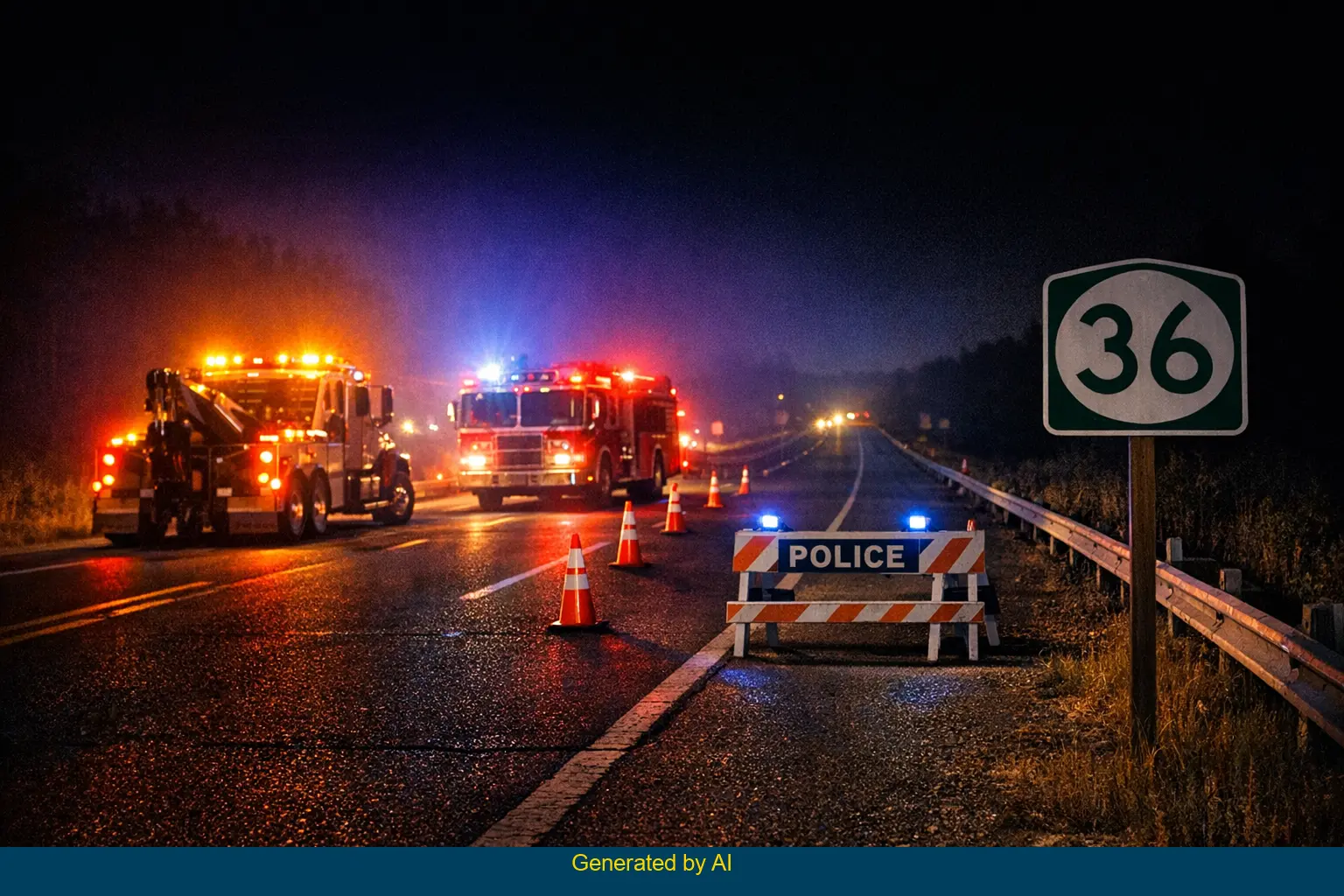
Authorities reported a major traffic collision on State Route 36 in Tehama County on the evening of July 12, 2026. Initial logs at 8:29 p.m. described the incident as a major traffic collision involving a white Ford pickup truck that struck a tree. A later entry identified the vehicle as a Ford F-150 that came to rest off the roadway with a flat tire. Fire crews responded and blocked an eastbound lane while officials requested a tow truck. Additional notifications were made to fire personnel and other responding agencies. At 8:58 p.m., officials confirmed a fatality at 8:57 p.m. and requested the coroner. County authorities and transportation officials were notified and indicated they would be en route. A communications center was also contacted to determine where to direct further information. No additional details about the victim or the cause of the crash were provided in the available log entries.
Incident Details
What California law says after a truck accident
Who may bring a wrongful death claim in California
When a collision results in death, California law allows specific family members to bring a wrongful death claim. The categories are defined by statute and generally include a surviving spouse or domestic partner, children, and, where there is no surviving spouse or issue, others who would be entitled to the property of the person who died. Certain dependents, including a putative spouse, stepchildren, or parents who were financially dependent, may also qualify.
A wrongful death claim compensates surviving family members for their own losses, including financial support, funeral and burial expenses, and the loss of the companionship, guidance, and society the person provided.
A separate claim, called a survival action, covers losses the person themselves sustained before death, such as medical expenses and lost earnings. California law changed here. For survival actions filed on or after January 1, 2026, damages for the decedent’s own pain, suffering, or disfigurement are no longer recoverable. Cases filed before that date are not affected, and different rules can apply in elder abuse matters.
Eligibility depends on family circumstances, filing deadlines are strict, and the damages available depend in part on when a case is filed.
Why commercial vehicle cases are different
A collision involving a commercial truck or bus is not simply a larger car collision. Commercial carriers operate under federal and state safety regulations covering driver hours of service, vehicle inspection and maintenance, driver qualification, and cargo securement. A violation of those rules can bear directly on how the collision happened.
These cases also involve records that do not exist in an ordinary collision: electronic logging device data, engine control module data, maintenance and inspection files, driver qualification files, dispatch records, and in many vehicles onboard camera footage. Federal rules require carriers to keep much of this material only for a limited time. Driver vehicle inspection reports must be retained for three months, records of duty status and the supporting documents behind them for six months, and annual inspection reports for fourteen months. The logging device on the truck itself typically holds only the current day and the previous seven days.
Other material that often matters most, including engine control module data, onboard camera video, and raw location data, carries no federal retention period at all and is overwritten on the carrier’s own cycle.
For that reason, requests to preserve evidence are often sent to the carrier and its insurer early. Responsibility may also extend beyond the driver to the motor carrier, a maintenance contractor, or whoever loaded the cargo.
Information for Families After a Fatal Collision
Losing a family member in a collision raises urgent legal questions, often long before anyone feels ready to ask them. These guides set out the basics, with no obligation attached.
- California wrongful death attorney: who may file, the deadlines that apply, and what a claim covers
- Los Angeles truck accident lawyer: how claims against trucking companies and their insurers actually work
- All practice areas
Injured in This Accident? Get Trusted Legal Guidance
After an accident, the right information can make a meaningful difference. If you or a loved one was hurt, The Law Offices of Burg and Brock, Inc. can help you understand your rights and options.
Speak with our legal team today before making important decisions.