
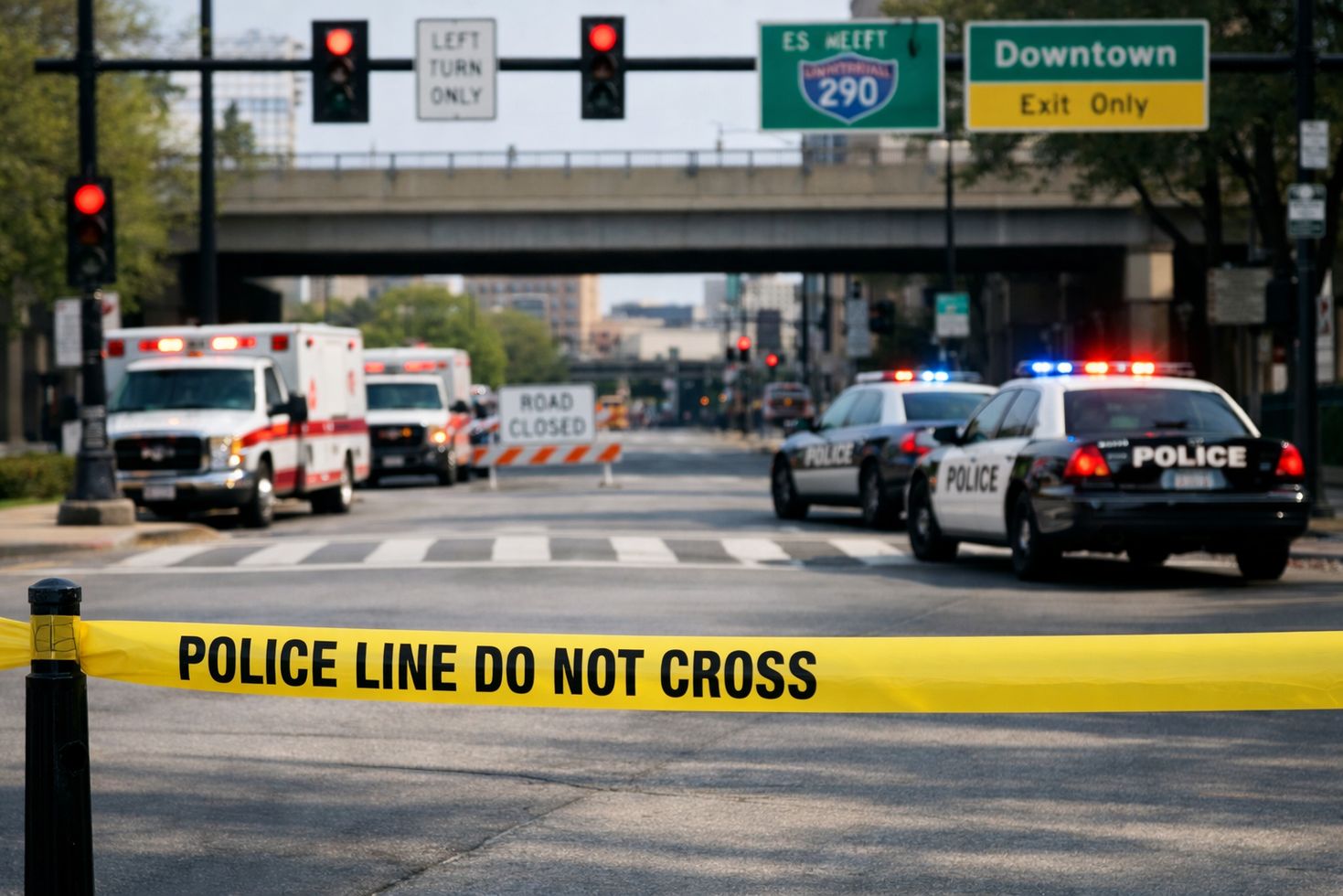
A pedestrian accident lawyer helps people understand their legal options after a crash, especially when serious injuries, disputed fault, and insurance pressure make the situation harder to manage. If you are dealing with medical treatment, calls from insurers, questions about who was responsible, or concerns about missed work and growing expenses, it is understandable to want clear next steps. Pedestrian accidents often raise both practical and legal issues at the same time, and the answers are not always obvious in the first days or weeks after an incident.
This article explains what a lawyer may do in a pedestrian injury case, how evidence can affect a claim, what the claims process often involves, and which common questions people ask when deciding whether legal guidance may help. The goal is to provide a calm, straightforward overview so readers can better understand the road ahead.
What a pedestrian accident lawyer does
A pedestrian accident lawyer is a personal injury lawyer who handles claims involving people struck by vehicles. In plain terms, this lawyer helps an injured pedestrian understand their rights, build a case, and pursue compensation after a crash. These matters often fall within broader traffic injury and motor vehicle accident claim help, because the incident may involve a car, truck, motorcycle, or other roadway vehicle.
A pedestrian accident lawyer commonly investigates how the collision happened, gathers police reports, photos, witness statements, medical records, and other evidence, and identifies who may be legally responsible. The lawyer also usually handles communications with insurance companies, evaluates the full value of damages, and works to recover payment for medical bills, lost income, pain and suffering, and other losses supported by the facts.
How pedestrian claims differ from other traffic injury cases
Pedestrian claims often raise issues that are less common in vehicle-only collisions. For example, the evidence may focus on crosswalk markings, traffic signals, right-of-way rules, visibility, speed, lighting, and whether the driver had enough time to react. These cases also can involve serious injuries because pedestrians have little physical protection in a crash.
Who may be responsible in a pedestrian accident case
Responsibility depends on the facts. A driver may be liable, but in some cases an employer, a commercial vehicle operator, or another party may also share fault if their conduct contributed to the collision. A lawyer reviews those details carefully to determine what claims may apply.
Why early legal help can matter
Getting legal guidance soon after a crash can be useful for practical reasons, even before major decisions are made. Early review may help preserve important details, avoid preventable mistakes, and create a clearer record of what happened. That can matter when questions come up later about fault, injuries, vehicle damage, or timelines.
Evidence can disappear quickly
Some evidence is easier to collect in the first days after a collision than weeks later. Traffic camera footage may be overwritten, nearby business surveillance may not be saved for long, weather and road condition records can take effort to gather, and witness memories often fade. Vehicle data, photos of the scene, skid marks, debris patterns, and repair documentation may also become harder to organize over time. Early legal help can support a more complete effort to identify and preserve these materials.

Insurance communication is not always straightforward
Many people are unsure what to say when insurers call, especially if injuries are still being evaluated. A lawyer may help you think through recorded statements, timelines, and how to document medical treatment, missed work, and out-of-pocket costs in a consistent way. Early review can also reduce the chance of casual comments being misunderstood or used later in a liability dispute.
In that sense, working with counsel early can be more about organization and protection than pressure. If you are comparing options, resources on how injury attorneys help after crashes may offer helpful context on what a personal injury attorney car accident case review often involves.
How a pedestrian accident claim usually works
A pedestrian accident claim often follows a clear sequence, even though the timeline can vary based on injury severity, liability disputes, and insurance coverage issues. In many cases, the process begins with an initial consultation to review what happened, identify possible insurance policies, and outline next steps. This stage helps people understand the vehicle accident lawyer claim process in practical terms.
Investigation and documentation
Next comes investigation. This usually includes reviewing the police report, collecting photos or video, examining the scene, contacting witnesses, and preserving other evidence before it disappears. Medical documentation is also important. Records, bills, treatment notes, and provider opinions help show how the injuries developed over time. Financial losses may be documented through wage records, receipts, and other proof of out-of-pocket costs.
Once enough information is gathered, a demand may be prepared for the insurance company. In some claims, there may be added complications involving uninsured or underinsured drivers, multiple vehicles, or commercial insurance policies.
Negotiation and possible litigation
After the claim is submitted, the insurer evaluates liability, medical records, and supporting evidence. Negotiations may follow if the insurer questions fault, disputes the extent of injuries, or raises coverage issues. Some claims resolve during this stage, while others require more back-and-forth as additional records or expert input become available.
If negotiations do not lead to a fair resolution, filing a lawsuit may become necessary to continue the claim. That does not mean every case goes to trial. Often, litigation opens formal discovery, depositions, and court deadlines that can help move the case toward settlement or, if needed, a final decision.

What to do after a pedestrian accident

If you are hit by a vehicle while walking, focus first on safety and medical needs. After that, take practical steps that help protect your health and preserve important information. Use this checklist to stay organized in the hours and days after the crash.
Immediate steps at the scene and soon after
- Move to a safer area if you can do so without worsening injuries, and call 911 or ask someone nearby to call for emergency help.
- Get medical attention promptly, even if injuries seem minor at first. Follow treatment instructions and attend recommended follow-up care.
- If you are able, document the scene with photos of the roadway, crosswalk, signals, vehicle damage, visible injuries, and anything else that may help explain what happened.
- Collect names and contact information for drivers, witnesses, and responding officers if available.
- Avoid giving detailed recorded statements to an insurer before you fully understand your injuries and claim. Keep your comments brief and factual.
Records to keep during recovery
- Save photos, damaged clothing, shoes, receipts, prescriptions, and transportation costs related to treatment.
- Keep a simple journal of symptoms, pain levels, appointments, and how the injury affects daily activities.
- Track missed work, reduced hours, and any paperwork showing lost income or other out-of-pocket losses.
- Store medical records, discharge papers, bills, and claim-related letters in one place so they are easy to review later.
- If you are unsure about next legal steps, it may help to learn more about when to hire an attorney.
How pedestrian accident cases compare with other traffic injury claims
Pedestrian accident claims often overlap with broader motor vehicle accident representation. But they can involve distinct proof issues because the injured person has no vehicle protection around them at the moment of impact. That often makes injury severity, visibility, speed, and right-of-way questions especially important.
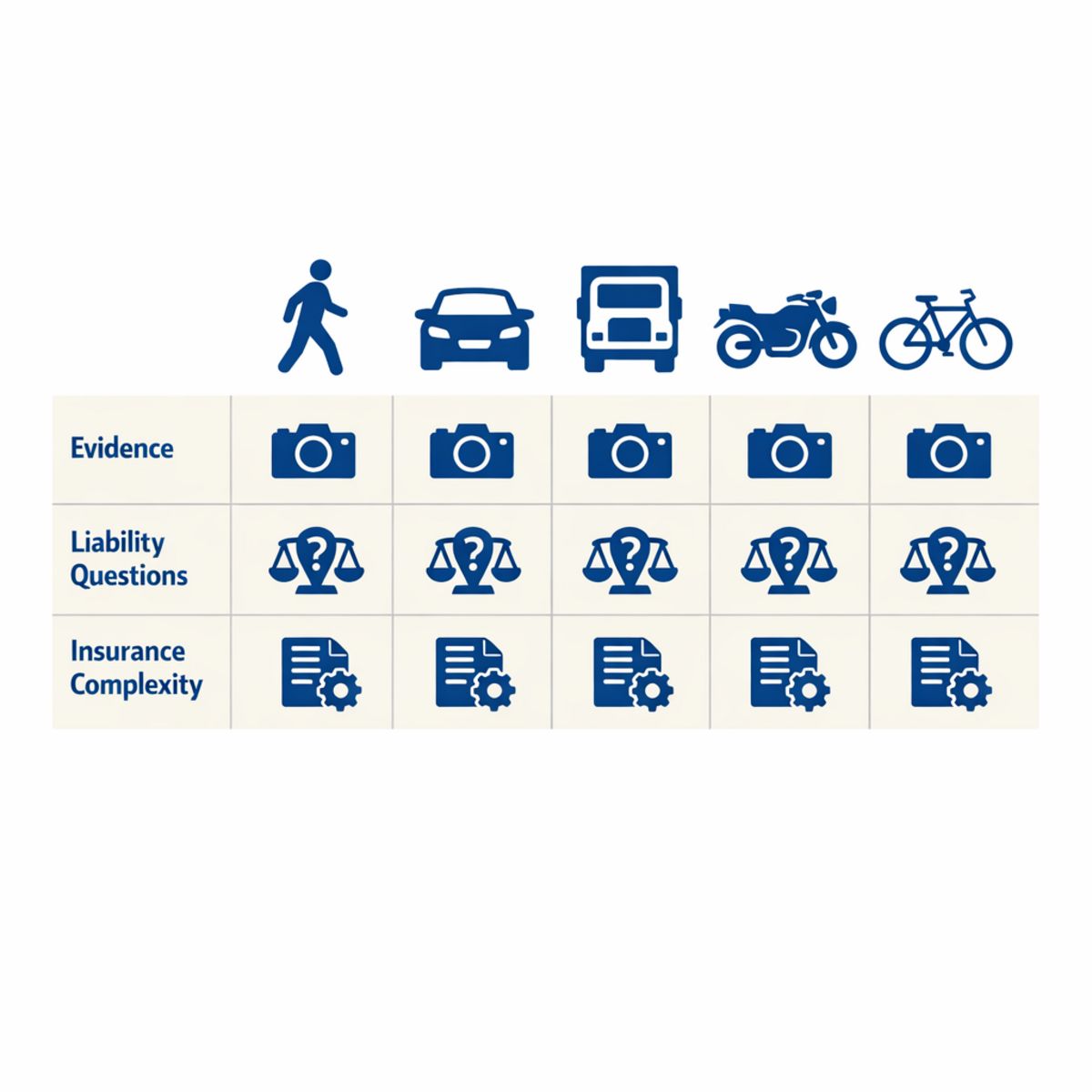
Compared with a car accident lawyer matter, a pedestrian case may rely more heavily on crosswalk video, traffic signal timing, skid marks, scene measurements, and witness accounts about whether the driver yielded. In truck accident lawyer claims, evidence may also include driver logs, company records, and commercial insurance layers, which can add complexity. Pedestrian injuries in truck-related crashes may be especially severe because of vehicle size and stopping distance.
Different evidence issues across case types
Motorcycle accident attorneys and bicycle accident lawyer cases can raise similar concerns about visibility, roadway conditions, lane positioning, and driver attention. Still, every claim depends on its own facts, the available evidence, and the insurance coverage that applies. The key difference is not just the type of road user involved, but how liability, damages, and coverage come together in the specific accident.
Key factors that can affect a pedestrian accident claim

Several details may influence how a pedestrian accident claim is reviewed. Common factors include fault disputes, crosswalk use, traffic signals, vehicle speed, visibility, weather, and whether distracted driving may have played a role.
Fault and proof often shape the claim
Right-of-way questions, signal timing, witness statements, photos, and roadway conditions can all affect claim evaluation. Medical records also matter, especially when they show the extent of injuries, treatment needs, and long-term recovery issues.
Claims may become more complex when commercial vehicles are involved because insurance review and liability analysis can expand. For broader context, see what to know after a crash.
Frequently asked questions about pedestrian accident lawyers
Quick answers to common concerns
When should I contact a pedestrian accident lawyer?
It is usually helpful to speak with a lawyer as soon as practical after the accident, especially if you have injuries, unclear fault, or insurance questions. Early guidance can help preserve evidence and avoid missteps.
What evidence helps in a pedestrian accident claim?
Useful evidence may include photos, video, witness names, the police report, medical records, bills, and documentation of missed work. Notes about how the injuries affect daily life can also be important.
Can I still have a claim if fault is disputed?
Possibly. A disputed-fault case does not automatically prevent recovery. A pedestrian accident lawyer can review the facts, statements, and available evidence to assess how strong the claim may be.
Should I speak with the insurance company right away?
You may need to report the accident, but it is wise to be careful. Keep your comments factual and brief, and avoid guessing about injuries or fault before you understand the full situation.
How is a pedestrian accident different from a car accident case?
Pedestrian cases often involve more severe injuries and closer review of visibility, crosswalk use, speed, road design, and driver attention. These details can make the investigation and insurance issues more complex.
When it may be time to contact the team
If you are dealing with serious injuries, unclear liability, pressure from an insurance company, or losses that continue to grow, it may help to get case-specific guidance. A conversation with the team can help you better understand your options after a pedestrian accident and what steps may make sense for your situation.
A practical next step if you need guidance
If you want steady, professional support, you can reach out for guidance tailored to your circumstances. The goal is to help you make informed decisions, not to add pressure.
Final thoughts
A pedestrian accident lawyer helps people understand their options, evaluate potential claims, gather and preserve important evidence, and navigate discussions with insurers or other parties after a crash. As this article has outlined, careful documentation, prompt medical attention, and timely guidance can make it easier to protect your interests and make informed decisions.
A clear understanding can help you move forward
Every pedestrian accident case depends on its specific facts, including how the incident happened, the injuries involved, and the available evidence. A clear understanding of the claims process can help you move forward with more confidence, clarity, and a practical sense of what steps may come next.